The cold, heavy weight of a 100 percent cotton jersey tee feels surprisingly dense in your hands before the water hits it. It is all about the weave; those tiny interlocking loops of fiber are thirsty for pigment. If this is your First Time Tie Dyeing, you are about to witness a chemical transformation where liquid tension meets cellulose fibers. We are not just splashing color; we are manipulating the capillary action of the fabric to create permanent art. You can feel the tactile resistance of the dry cloth, a high tensile strength material that is ready to be folded, twisted, and bound. The air in the studio smells faintly of soda ash and anticipation. We are looking for that perfect saturation point where the dye penetrates the core of the yarn without blurring the structural integrity of your pattern. Grab your gloves and clear the workbench. We are diving into the physics of fluid dynamics and fiber reactive chemistry to turn a blank slate into a psychedelic masterpiece that will survive a hundred wash cycles without losing its chromatic punch.
THE STUDIO KIT
THE STUDIO KIT
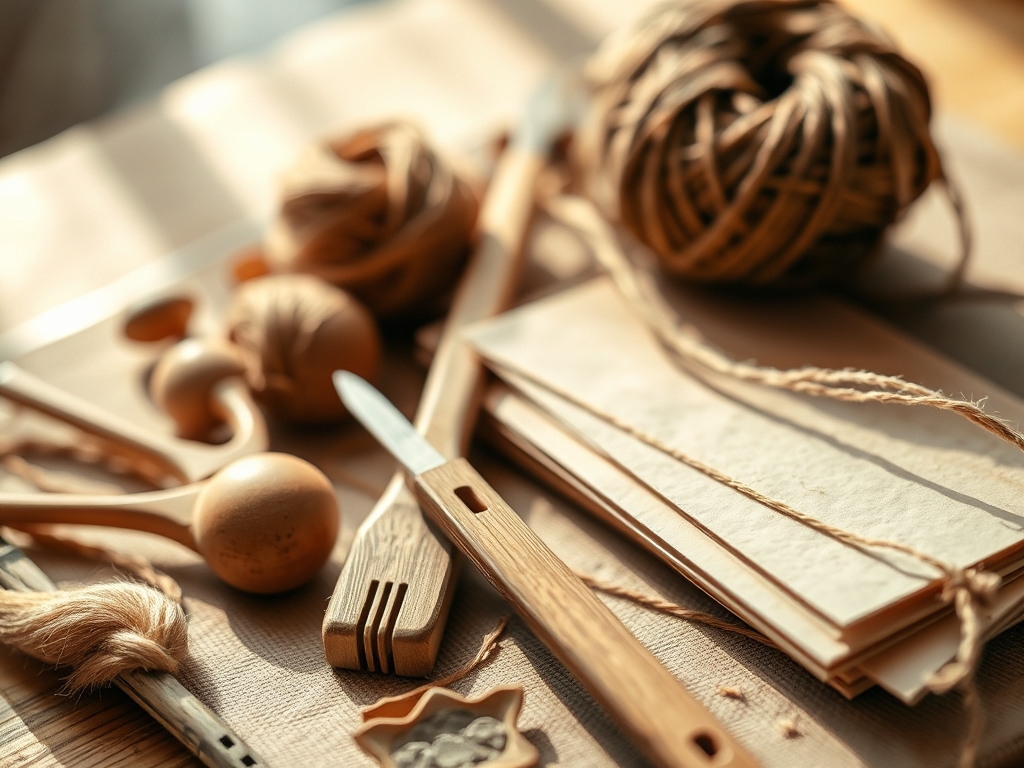
To achieve professional results, you need more than just a grocery store kit. We are looking for Procion MX dyes, which are fiber-reactive and bond at a molecular level with the cellulose. You will need a high-gauge plastic drop cloth to protect your station and a set of ergonomic squeeze bottles with fine-tip nozzles for precision application. Use a rotary cutter to trim any loose threads before you begin; stray fibers can act as wicks that pull dye into areas where you want crisp white space. You also need high-elasticity rubber bands or sinew, which allows for tighter binding and more defined "resist" lines.
Material Substitutions: If you cannot find sinew, heavy-duty waxed dental floss works beautifully because the wax creates an additional waterproof barrier. Instead of a professional drying rack, a wire cooling rack placed over a plastic bin ensures the fabric does not sit in a puddle of "muck" dye, which would ruin the chromatic purity of your underside.
THE TEMPO
The "Maker's Rhythm" is a three-act play. Act one is the Pre-Wash and Soak, taking about 45 minutes. You must remove the factory "sizing" (a starch-like coating) so the fibers are truly porous. Act two is the Folding and Binding, which is the most labor-intensive part. Depending on the complexity, this takes 10 to 20 minutes per garment. Act three is the Curing, the longest phase. The dye needs 12 to 24 hours to fully bond. The temperature of your studio matters here; a warmer room accelerates the chemical reaction, while a cold garage might stall the molecular bonding entirely.
THE CORE METHOD
1. The Classic Spiral
Lay the damp fabric flat on your workbench. Use a hemostat or simply your thumb and forefinger to pinch the center. Twist the fabric clockwise, ensuring the folds stay flat and even like a cinnamon roll.
Mastery Tip: This pattern relies on centripetal pressure. If your folds are too thick, the dye will not reach the center of the spiral. Keep the vertical height of your "disk" uniform to ensure even saturation across the ply of the fabric.
2. The Bullseye
Pull the fabric up from the center to create a long, tent-like shape. Place rubber bands at intervals down the length of the "tube."
Mastery Tip: This is a study in radial symmetry. The tightness of the band determines the width of the white resist line. Use a bone folder to crisp up the edges of your folds before banding to ensure the dye doesn't bleed past your boundaries.
3. The Sunburst
Similar to the bullseye, but you pinch several small sections across the garment and bind them individually.
Mastery Tip: This creates multiple points of capillary draw. Because you are creating many small "peaks," the dye will naturally pool at the base of each pinch. Control your flow rate from the bottle to prevent these pools from merging.
4. The Accordion Fold (Stripes)
Fold the shirt back and forth in even pleats, either horizontally or vertically. Secure with bands every two inches.
Mastery Tip: This pattern tests the structural alignment of the grain. If your pleats are not perfectly parallel to the weave, your stripes will look slanted. Use a transparent ruler to guide your folds for architectural precision.
5. The Nebula (Crumple)
Scrunch the fabric into a tight, chaotic mound and secure it with a "spiderweb" of rubber bands.
Mastery Tip: This relies on randomized fluid distribution. To avoid a muddy look, apply complementary colors (like blue and green) in large blocks. Avoid putting "opposite" colors like red and green next to each other, or the surface tension will cause them to mix into a dull brown.
THE TECHNICAL LEDGER
Maintenance & Longevity: To keep these colors vibrant, the first wash must be done in cold water with a professional textile detergent like Synthrapol. This chemical suspends unattached dye particles so they don't "back-stain" the white areas of your design.
Material Variations: While 100 percent cotton is the gold standard, you can use bamboo or hemp for a more sustainable option. These fibers have different absorption rates; hemp is much denser and requires a longer soak in the soda ash activator to open up the fiber "pores."
The Correction:
- White Spots: If you have too much white, your binding was too tight or the fabric was too dry. Next time, use a "wet-on-wet" technique.
- Muddy Colors: This happens when dyes mix on the fabric. Use a jeweler's saw (or just a sharp pair of snips) to carefully remove bands after 24 hours and rinse each section individually.
- Fading: Usually caused by skipping the soda ash soak. The soda ash raises the pH of the fabric, which is the "catalyst" for the chemical bond.
Studio Organization: Store your dyed, unwashed items in individual sealed plastic bags. This maintains the moisture content required for the chemical reaction to complete. If the fabric dries out before the 12-hour mark, the reaction stops.
THE FINAL REVEAL
There is nothing quite like the "big reveal" when you snip those bands and shake out the fabric. The transition from a damp, dark bundle to a high-contrast, vibrant piece of wearable art is pure magic. You will see how the geometric precision of your folds has translated into sharp lines, while the fluid nature of the dye has created soft, ethereal gradients. It is a perfect marriage of physics and creativity. Your first time tie dyeing is not just a craft; it is a successful experiment in molecular bonding that results in a one-of-a-kind textile.
STUDIO QUESTIONS
What is the best fabric for tie dye?
Use 100 percent natural fibers like cotton, silk, or rayon. Synthetic fibers like polyester are non-porous and lack the molecular binding sites necessary for fiber-reactive dyes to attach, resulting in immediate fading or total color loss.
Do I have to use soda ash?
Yes. Soda ash acts as a chemical activator that raises the pH level of the cotton fiber. This process allows the dye to form a covalent bond with the fabric, ensuring the color is permanent and wash-fast.
Why did my colors turn brown?
Muddy colors occur when "complementary" colors (red/green, blue/orange, yellow/purple) bleed into each other. To prevent this, place analogous colors next to each other and ensure the fabric has enough tensile gaps for drainage during the curing process.
Can I tie dye a dry shirt?
You can, but the surface tension of dry fabric resists liquid. Pre-dampening the shirt allows for better capillary action, helping the dye penetrate deep into the fibers rather than just sitting on the surface of the weave.
How long should I wait to rinse?
Wait at least 12 to 24 hours. The chemical reaction between the dye and the fiber is slow. Maintaining a consistent ambient temperature above 70 degrees Fahrenheit during this period ensures the most vibrant and saturated results.