Imagine the smell of fresh linseed oil and the satisfying, buttery resistance of a grey battleship block beneath your palm. There is a specific, tactile thrill that comes from transforming a flat, unassuming slab of rubberized cork into a high-contrast masterpiece. We are diving deep into the world of Easy Linocut Printing today; it is a craft that marries the raw force of woodcutting with the precision of a jeweler. When you first press your V-gout tool into the surface, you are not just drawing. You are navigating the tensile strength of a polymer matrix. If the material is cold, it resists with a brittle stubbornness; if it is warmed by your touch, it yields like cold wax. This process is about more than just ink on paper. It is about understanding how to remove negative space to reveal a hidden narrative. We are going to master the physics of the gouge and the chemistry of the ink to ensure your first print is gallery-ready.
THE STUDIO KIT
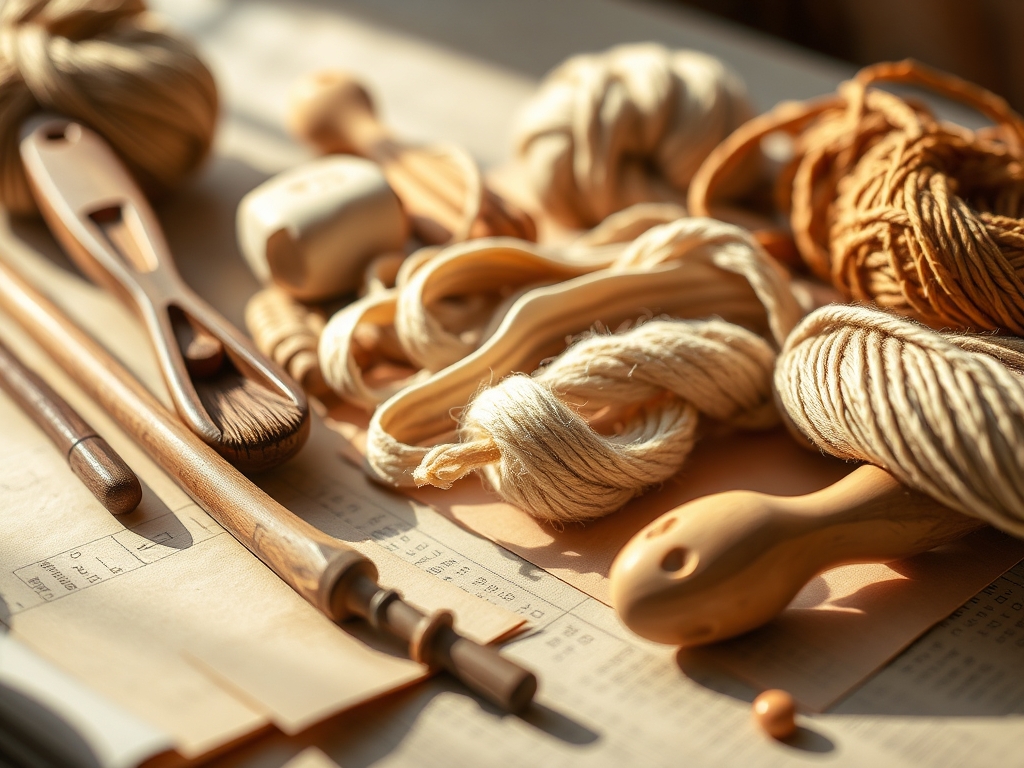
To master Easy Linocut Printing, you need a kit that respects the structural integrity of your medium. Your primary tool is the linoleum cutter, which usually comes with interchangeable steel nibs. Look for a handle with an ergonomic grip to prevent carpal fatigue during long sessions. You will need a brayer, which is a high-density rubber roller used to apply ink with uniform thickness. For the block itself, traditional grey linoleum offers the best gauge for fine detail, though "soft-cut" polymers are excellent for beginners due to their lower density.
For the ink, choose a water-miscible oil base. It provides the long "open time" of professional oils but cleans up with simple soap and water. You will also need a bone folder or a heavy metal spoon to burnish the paper against the inked block. If you cannot find a professional printing press, a heavy-duty rotary cutter can help trim your paper edges with surgical precision.
Material Substitutions: If you lack a professional honing stone, the back of a ceramic mug can act as a makeshift strop to keep your blades sharp. In place of a traditional bench hook to hold your block steady, a piece of high-friction shelf liner works wonders to prevent the block from sliding while you carve.
THE TEMPO
The "Maker's Rhythm" in printmaking is a game of three acts. First is the Incubation Phase (30 to 60 minutes), where you transfer your design and warm the linoleum. Next is the Carving Marathon (2 to 5 hours), depending on the complexity of your line work. This is where you find your flow, moving the tool in sync with your breath. Finally, the Inking Sprint (20 minutes) is a fast-paced sequence of rolling, aligning, and pressing. Total time for a standard 5×7 print is usually around 4 to 7 hours. Respect the tempo; rushing the carving phase leads to slips, while rushing the inking leads to "salty" or uneven prints.
THE CORE METHOD
1. The Thermal Prep
Before a single blade touches the surface, you must manage the viscosity of the material. Traditional linoleum is composed of cork dust and linseed oil on a burlap backing. It can be brittle. Use a hairdryer or sit on your block for five minutes. Warming the material lowers the shear stress required to make a cut, allowing the blade to glide rather than stutter.
Mastery Tip: This is about molecular flexibility. When the binder is warm, the blade creates a clean "shaving" rather than a jagged chip, which preserves the fine-line definition of your design.
2. The Anchored Stroke
Safety is the byproduct of physics. Always carve away from your body and keep your non-dominant hand behind the blade. Use a bench hook to provide a mechanical stop. Your lead hand should hold the tool at a 30-degree angle to the surface. If you go too deep, you risk hitting the burlap ply, which ruins the structural integrity of the block.
Mastery Tip: Use your non-dominant hand as a fulcrum. By resting your knuckles on the block and pivoting, you gain microscopic control over the arc of the gouge, preventing the tool from skidding across the surface.
3. Clearing the Negative Space
Use a wide "U" gouge for large areas and a narrow "V" tool for outlines. Think of the "V" tool as a scalpel for precision geometry. You are creating channels. The depth of these channels determines whether "chatter" (stray marks) will appear in your final print.
Mastery Tip: This involves capillary action. If your channels are too shallow, ink will bridge the gap and fill the white space. Aim for a depth of at least 1.5mm in wide open areas to ensure the paper does not touch the bottom.
4. The Ink Charge
Squeeze a small bead of ink onto a glass slab. Use your brayer to roll it out until you hear a specific "velvety" hiss. This sound indicates the ink has reached the perfect micron thickness. The goal is a thin, even "orange peel" texture on the roller.
Mastery Tip: This is a lesson in surface tension. If the ink layer is too thick, it will lose its cohesion and bleed into your carved lines, blurring the detail. A thin, tacky layer is always superior to a thick, wet one.
5. The Registration Alignment
Place your paper over the inked block with a single, decisive motion. To ensure the print is centered, use a "jig" or a simple cardboard frame. Once the paper touches the ink, do not shift it, or you will create a "ghost" image.
Mastery Tip: This relies on atmospheric pressure. As you lay the paper down, air is pushed out from the center. Any lateral movement breaks the vacuum seal between the paper fibers and the ink, resulting in a blurred transfer.
6. The Final Burnish
Using your bone folder or a barren, apply firm, circular pressure across the back of the paper. Start from the center and move outward. You can lift a corner to check the saturation before fully removing the sheet.
Mastery Tip: You are utilizing mechanical force to drive the ink into the porous fibers of the paper. Consistent pressure ensures that the pigment density remains uniform across the entire composition.
THE TECHNICAL LEDGER
Maintenance & Longevity: After printing, clean your brayer with vegetable oil followed by soap to prevent the rubber from drying out and cracking. Store your carved blocks flat in a cool, dry place; if they warp, the planar surface will be ruined, making future prints impossible.
Material Variations: For a sustainable approach, look for linoleum made with recycled wood flour. For premium results, use Japanese "Hosho" paper, which has a high tensile strength even when damp, allowing it to pull more ink from the block.
The Correction:
- The Slip: If you carve a line you did not intend, fill the gap with "liquid wood" or superglue mixed with linoleum dust. Once dry, sand it flush.
- Salty Prints: If the ink looks speckled, your pressure was too light or the paper was too dry. Increase burnishing force.
- Ink Clogging: If your fine lines are disappearing, your ink is too thick. Use a transparent base or reducer to thin the viscosity.
Studio Organization: Organize your gouges in a rack with the blades facing up to prevent dulling. Use a flat-file cabinet for paper storage to prevent humidity from affecting the hygroscopic nature of the sheets.
THE FINAL REVEAL
There is nothing quite like the "big reveal" when you peel the paper back from the block. The contrast is startling; the blacks are deep and velvety, while the whites are crisp and architectural. Your Easy Linocut Printing journey has transformed a simple sketch into a bold, reproducible piece of art. The texture of the paper, now embossed slightly by the pressure of the block, feels professional and substantial. You have successfully navigated the physics of the carve!
STUDIO QUESTIONS
How do I stop my linoleum from sliding?
Use a bench hook or a piece of non-slip shelf liner. This creates mechanical friction between the block and the table, allowing you to apply forward force safely without the material shifting during a high-pressure stroke.
Why is my ink not sticking to the paper?
This is usually a result of low surface energy or cold temperatures. Ensure your ink is warm and your paper has a slight "tooth" or texture. Smooth, coated papers often repel water-based inks, leading to poor adhesion.
Can I fix a carving mistake?
Yes. You can use a small amount of fast-setting epoxy or wood filler to plug the void. Once it cures, use a fine-grit sandpaper to level the surface back to the original plane before re-carving the area.
How many prints can I get from one block?
A well-maintained linoleum block can produce hundreds of prints. The limit is determined by the compression of the material over time. Eventually, the fine edges may begin to crumble under the repeated mechanical stress of the press.