Imagine the satisfying resistance of a sharp needle piercing through a tightly stretched weave; it is a rhythmic, percussive dance that turns raw fiber into a plush sanctuary. When you dive into your first Beginner Punch Needle project, you are not just crafting a decorative accessory; you are engaging in a sophisticated game of friction and tension. The tactile feedback of the yarn catching against the warp and weft of the foundation cloth provides an immediate sensory reward. We are talking about creating three dimensional landscapes of softness that invite your hands to linger. Whether you are aiming for a cloud like pillow or a rugged, resilient floor piece, the physics of the loop is your best friend. This hobby is the ultimate intersection of high energy creativity and meditative precision. You are essentially using a hollowed metal tool to "sew" without a knot, relying entirely on the structural integrity of the fabric to hold your design in place. It is brilliant, it is bouncy, and it is about to become your newest obsession.
THE STUDIO KIT
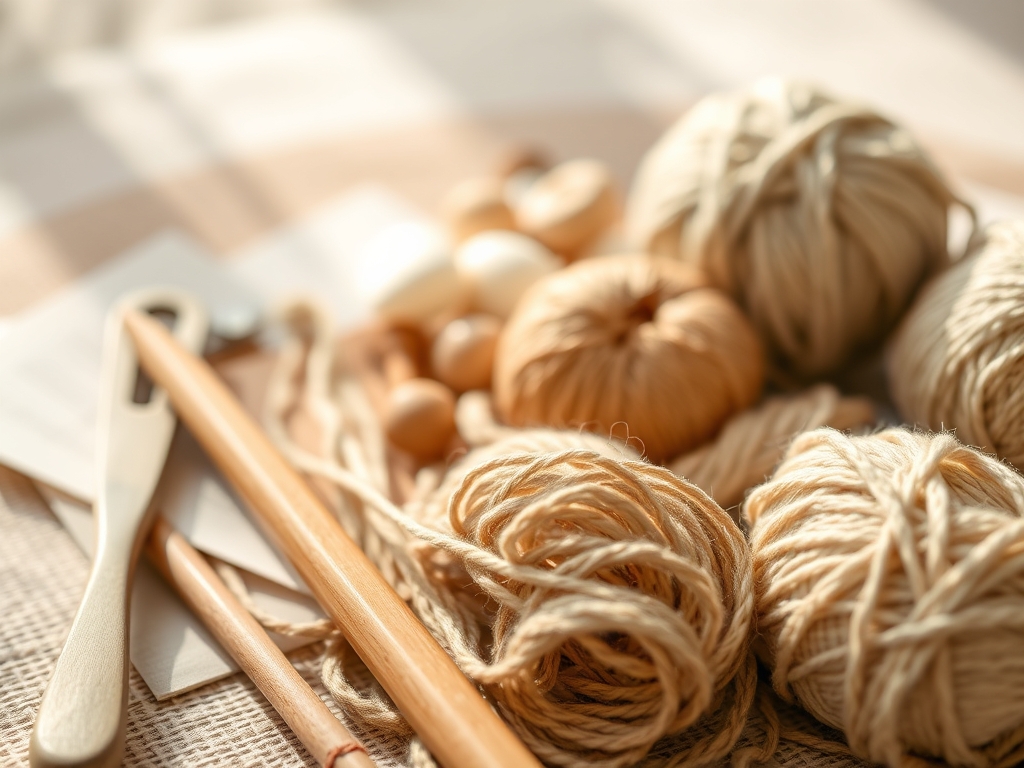
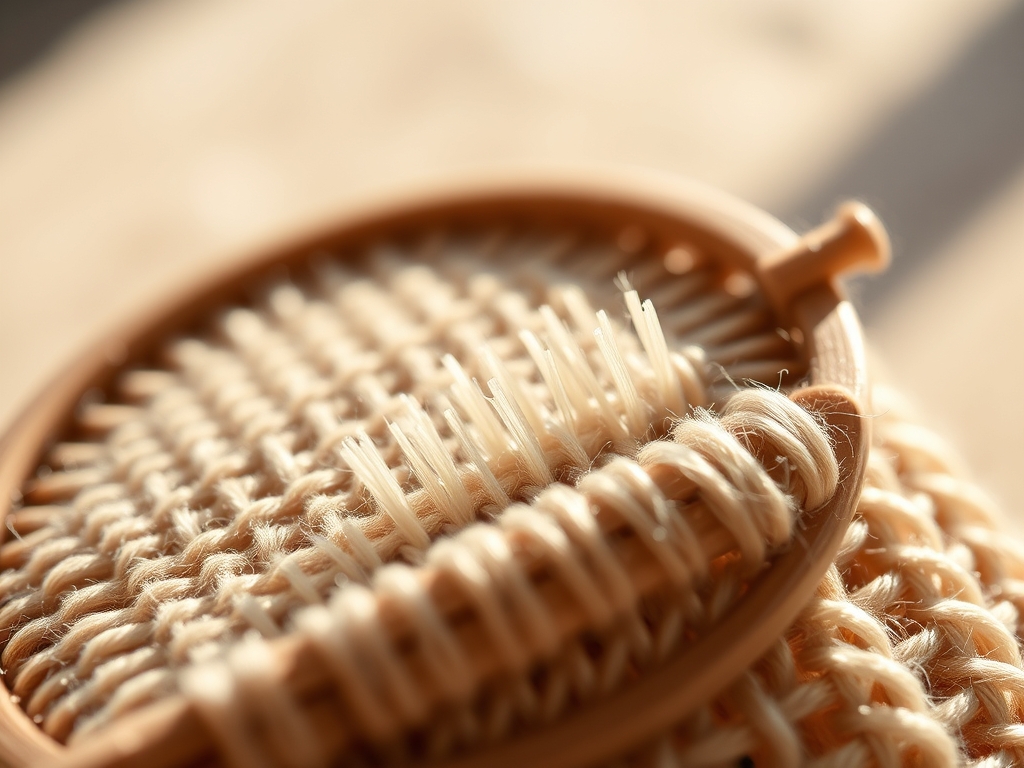
To master the Beginner Punch Needle technique, you must understand your hardware. Your primary tool is the punch needle, a hollowed ergonomic device with a beveled tip designed to channel yarn through fabric without tearing the fibers. You will also need a non-slip hoop or a gripper strip frame. These are non-negotiable because they maintain the tensile strength of your backing; if your fabric sags, your loops will vary in height, ruining the visual uniformity.
Your foundation cloth acts as the skeletal system of your project. For heavy duty rugs, Monks Cloth is the gold standard due to its 12 to 14 holes per inch count and its unique "double thread" weave that prevents fraying under pressure. For pillows, you might experiment with linen or burlap, provided the weave is loose enough for the needle gauge but tight enough to grip the yarn via lateral compression.
Material Substitutions: If you cannot find Monks Cloth, a high quality rug warp or even a heavy denim can work, though the latter requires a much sharper needle and significantly more physical force. For yarn, while wool is the traditional choice for its elastic recovery, you can substitute with recycled cotton or acrylic blends for a vegan friendly alternative. Just ensure your yarn diameter matches your needle's internal bore diameter to prevent snagging or "dropping" loops.
THE TEMPO
The "Maker's Rhythm" is a psychological state where your motor skills align with the material's resistance. For a standard 12×12 inch pillow, expect a total time investment of six to eight hours. The Preparation Phase takes about thirty minutes; this involves transferring your design and drum-tightening your fabric. The Execution Phase is the bulk of your time, where you find a steady cadence of one punch per second. Finally, the Finishing Phase requires about two hours to secure the edges and apply any necessary adhesive backing. Understanding this timeline prevents "maker fatigue" and ensures your stitch density remains consistent from start to finish.
THE CORE METHOD
1. Tensioning the Foundation
Before the first punch, you must achieve "drum-tight" tension. Place your fabric over the inner ring of your hoop and press the outer ring down. Use your fingers to pull the fabric edges outward radially. The physics of surface tension dictates that any slack will absorb the energy of your punch, causing the needle to deflect rather than penetrate cleanly. A properly tensioned cloth should emit a low-frequency "thump" when tapped, indicating it is ready to withstand the repeated mechanical stress of the needle.
Mastery Tip: Check your tension every fifteen minutes. The constant piercing of the needle acts like a wedge, slowly stretching the fabric fibers and causing microscopic shifts in the weave.
2. Threading the Conduit
Slide your yarn through the handle and out through the eye of the needle. Ensure there is no "drag" or friction within the tool. The yarn must flow freely to allow for capillary-like movement through the needle shaft. If the yarn is too thick for the needle gauge, the friction will prevent the loop from staying in the fabric when you retract the tool.
Mastery Tip: Use a threader to check for internal obstructions. Even a tiny burr inside the metal tube can snag the yarn ply, leading to uneven loop heights and structural instability.
3. The Vertical Entry
Hold the needle like a pen, perpendicular to the fabric. Push the needle all the way down until the handle touches the cloth. This depth determines the loop height. If you do not bottom out the tool, your loops will be shallow and prone to pulling out. The needle tip separates the threads of the foundation cloth rather than cutting them, preserving the textile's structural integrity.
Mastery Tip: Maintain a consistent 90-degree angle. Tilting the needle changes the exit trajectory, which can cause the yarn to catch on the weave and snag the previous stitch.
4. The Drag and Glide
When lifting the needle, do not pull it far away from the surface. Instead, "skate" the tip across the fabric to the next insertion point. This maintains the mechanical bond between the yarn and the cloth. If you lift too high, you will pull the previous loop out, a phenomenon known as "frogging" your work accidentally.
Mastery Tip: The distance between punches should match the width of your needle. This creates an ideal stitch frequency that fills the space without overcrowding the fabric, which could cause the hoop to warp.
THE TECHNICAL LEDGER
Maintenance & Longevity: To ensure your punch needle pieces last for decades, avoid placing them in high-moisture environments. Natural fibers like wool are hygroscopic, meaning they absorb water from the air, which can lead to mold or fiber degradation. Use a fabric sealant on the back of rugs to lock the loops in place permanently.
Material Variations:
- Sustainable: Use "thrums" (leftover carpet factory scraps) or unraveled thrifted sweaters.
- Premium: Hand-dyed merino wool offers superior loft and a luxurious sheen.
- Recycled: Strips of old t-shirts can be used with a "jumbo" punch needle for a chunky, rustic texture.
The Correction:
- Loops Popping Out: This usually happens because there is tension on the yarn "tail." Ensure your yarn ball is rolling freely.
- Fabric Tearing: Your needle is too large for the weave. Switch to a finer gauge needle or a more porous fabric.
- Uneven Texture: You are likely lifting the needle too high between stitches. Keep the tip in contact with the cloth at all times.
Studio Organization: Store your unfinished projects flat. Using a bone folder, you can flatten the seams of your backing fabric before storage. To prevent fiber fatigue, do not leave your project under extreme tension in a hoop for more than a week without working on it.
THE FINAL REVEAL
Look at that! You have transformed a flat piece of cloth into a topographical map of cozy goodness. The finished piece should feel dense, springy, and remarkably sturdy. When you run your hand over the loops, they should resist displacement, standing tall like a well-manicured lawn of fiber. Whether it is the bold, chunky lines of a modern rug or the delicate, velvety pile of a decorative pillow, your Beginner Punch Needle masterpiece is a testament to your mastery of tension and texture. It is time to toss that pillow on the sofa and bask in the glory of your handmade sanctuary.
STUDIO QUESTIONS
What is the best fabric for beginner punch needle?
Monks Cloth is the premier choice for beginners. Its unique even-weave pattern and tensile durability allow the needle to slide through easily while providing enough "grip" to hold the yarn loops securely without the need for glue.
Why do my punch needle loops keep coming out?
This is usually caused by yarn tension. If your yarn is tangled or caught on the edge of the table, the "pull" will yank the loop right back through the fabric. Always ensure your yarn flows freely from the ball.
Can I use any yarn for punch needle?
You must match the yarn weight to the needle gauge. If the yarn is too thin, it will fall out; if it is too thick, it will jam the tool. Most beginner needles work best with bulky or aran weight yarns.
Do I need to glue the back of my punch needle project?
For pillows or wall hangings, glue is often unnecessary if your stitch density is correct. However, for rugs subject to foot traffic, applying a latex rug backing is essential to prevent loops from snagging and pulling out over time.
How do I fix a mistake in my design?
Simply pull the yarn out to "erase" the stitches. Use the tip of your needle or an awl to wiggle the fabric fibers back into place, closing the holes before re-punching the area. This preserves the fabric's memory.