Imagine the scent of fresh emulsion and the crisp, tactile resistance of a tightly pulled polyester weave under your fingertips. For your First Time Screen Printing, you are not just making a shirt; you are mastering the fluid dynamics of ink passing through a controlled geometric lattice. The mesh feels almost like a drum head, vibrating with potential energy as you prepare to flood the surface. We are diving into a world where physics meets fashion, and I am here to ensure your debut is a technical masterpiece rather than a messy accident.
THE STUDIO KIT
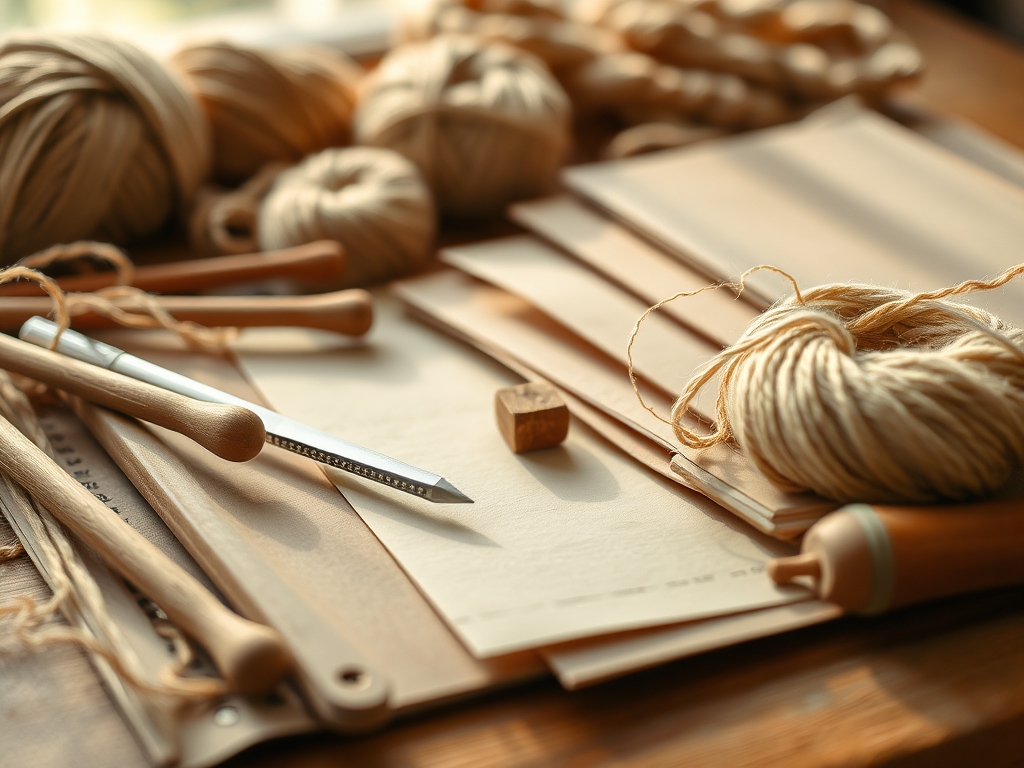
To begin, you need a high quality aluminum or wood frame pre-tensioned with monofilament polyester mesh. For most apparel, a 110 to 160 mesh count is the industry standard; this refers to the number of threads per linear inch. You will also need a durometer-rated squeegee, typically a 70-shore hardness, which provides the necessary flex to shear the ink without distorting the image. Your chemical arsenal includes a photo-reactive emulsion and a scoop coater to ensure a uniform thickness, measured in microns, across the screen surface.
Material Substitutions: If you cannot find a professional scoop coater, a rigid plastic straightedge can work, though it risks an uneven EOM (Emulsion Over Mesh) ratio. For those without a dedicated exposure unit, a 500-watt halogen lamp serves as a functional substitute, provided you calculate the inverse square law to determine the correct distance for light intensity.
THE TEMPO
The "Maker's Rhythm" is a delicate balance of active labor and passive waiting. Total project time spans roughly six to eight hours, though much of this is dedicated to the dehydration and cross-linking of the emulsion. The coating process takes ten minutes, followed by a two-hour dark-room drying phase. Exposure takes mere minutes, but the final curing of the ink on the garment requires a sustained temperature of 320 degrees Fahrenheit for at least 40 seconds to ensure the plastisol or water-based resins bond permanently to the textile fibers.
THE CORE METHOD
1. Degreasing the Mesh
Before applying any chemicals, you must strip the mesh of oils and dust. Use a specialized mesh degreaser and an abrasive pad to ensure the surface energy of the polyester is high enough for the emulsion to cling. This prevents "fish-eyes" or premature breakdown of the stencil during the print run.
Mastery Tip: This step utilizes surface tension optimization. By removing microscopic contaminants, you allow the emulsion to create a mechanical bond with the mesh fibers, ensuring the structural integrity of your fine lines.
2. The Emulsion Coating
Using your scoop coater, apply a thin, even layer of emulsion to the substrate side first, then the squeegee side. You are looking for a smooth, matte finish once dry. The goal is to encapsulate the mesh threads rather than just sitting on top of them.
Mastery Tip: This relies on capillary action. The emulsion must bridge the gaps between the mesh threads. If the layer is too thick, the ink will "bleed" under the stencil; too thin, and the stencil will fail during the high-pressure squeegee stroke.
3. Precision Exposure
Place your positive transparency against the dry emulsion and expose it to UV light. The light hardens the exposed areas, while the black ink on your transparency blocks the light, leaving the emulsion underneath soft and water-soluble.
Mastery Tip: This is a photochemical reaction known as polymerization. The UV photons trigger a molecular cross-linking in the sensitizer, turning a liquid-like state into a solid, solvent-resistant barrier.
4. The Washout Phase
Take the screen to a wash station and spray it with cool water. The unexposed emulsion will dissolve, revealing your design. Do not use high pressure initially; let the water soften the "image" area first to avoid blowing out delicate details.
Mastery Tip: This process demonstrates solubility gradients. Because the unexposed emulsion never reached its "gel point," it remains hydrophilic and easily disperses in water, while the cured areas remain hydrophobic and intact.
5. The Final Pull
Align your garment, load the screen with ink, and perform a "flood stroke" to fill the mesh. Then, with a 45-degree squeegee angle and firm downward pressure, pull the ink across the stencil.
Mastery Tip: This involves shear-thinning rheology. Screen printing ink is often thixotropic, meaning it becomes less viscous under pressure. The squeegee force temporarily "liquefies" the ink so it can pass through the mesh and onto the fabric.
THE TECHNICAL LEDGER
Maintenance & Longevity: To extend the life of your screens, never allow ink to dry in the mesh. Use a press wash or degradant immediately after your run. Store screens vertically in a temperature-controlled environment to prevent the mesh from losing its tensile strength or "popping" due to humidity fluctuations.
Material Variations:
- Sustainable: Use water-based inks which lack phthalates and PVC.
- Recycled: Repurpose old silk scarves for low-detail "experimental" mesh, though the registration will be difficult.
- Premium: Invest in high-tension low-elongation (HTLE) mesh for professional-grade registration.
The Correction:
- Problem: Scalloped edges on the print. Fix: Increase your EOM (Emulsion Over Mesh) thickness on the substrate side.
- Problem: Ink not clearing the screen. Fix: Increase your "off-contact" distance so the mesh snaps back instantly.
- Problem: Image won't wash out. Fix: Reduce your exposure time; you are likely "over-exposing" and light is creeping under your film.
Studio Organization: Keep your emulsions in a light-tight refrigerator to prevent heat-fogging. Use a tension meter periodically to check your frames; if the Newton levels drop too low, the screen is "dead" and must be reclaimed or discarded to prevent blurry prints.
THE FINAL REVEAL
There is nothing quite like the rush of lifting the screen to see your design perfectly rendered on fabric for the first time. The colors are vibrant, the edges are crisp, and the "hand feel" of the ink tells you that the chemistry worked. You have successfully navigated the physics of tension, light, and fluid dynamics. This is not just a hobby; it is a high-precision manufacturing process that you just executed in your own home. Wear that shirt with the pride of a scientist and the flair of an artist!
STUDIO QUESTIONS
What is the best mesh count for beginners?
A 110 mesh is the gold standard for your First Time Screen Printing. It has larger openings that allow thicker inks to pass through easily, making it forgiving for those still mastering their squeegee pressure and angle.
Why is my ink washing out of the shirt?
The ink likely did not reach its "fusion temperature." Most inks require the entire ink film to hit 320 degrees Fahrenheit to cure. Without this thermal reaction, the resin cannot bond to the garment fibers permanently.
Can I use a regular light bulb for exposure?
Standard incandescent bulbs lack the UV output necessary to trigger polymerization in the emulsion. You need a UV-rich source like a halogen lamp, a specialized LED exposure unit, or even direct sunlight for a controlled duration.
How do I fix a pinhole in my screen?
Small leaks can be blocked using "screen filler" or a small piece of water-resistant tape on the substrate side. This prevents unwanted ink spots from ruining your garment without requiring you to strip and recoat the entire frame.