The scent of ozone from a soldering iron and the cool, clinical weight of stainless steel pliers are the hallmarks of a maker in her element. You know that feeling when your favorite necklace snaps or a jump ring gives way; it is a tiny tragedy of structural failure. Most people see a broken trinket, but we see a puzzle of tensile strength and metallurgical fatigue. Learning the art of Simple Jewelry Repairs is not just about aesthetics; it is about restoring the mechanical integrity of pieces that hold our memories. As you sit at your desk, the light catching the facets of a loose stone, remember that every metal has a memory. Whether you are dealing with the soft ductility of high karat gold or the stubborn spring of stainless steel, the physics remains the same. We are going to manipulate molecular bonds and leverage mechanical advantage to bring these pieces back to life. Grab your magnification loupe and clear your workspace. We are diving into the tactile world of precision fixing, where a fraction of a millimeter is the difference between a permanent fix and a second break.
THE STUDIO KIT
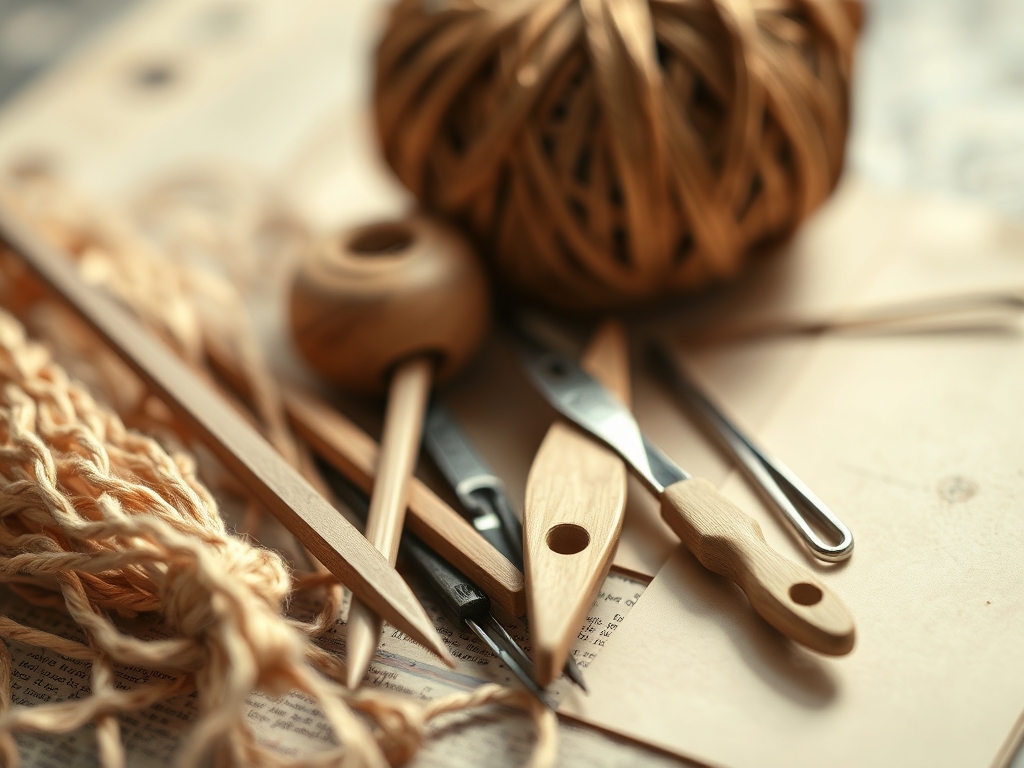
To master Simple Jewelry Repairs, your desk needs more than just a pair of hobby pliers. You require a curated arsenal of tools designed for high precision. Your primary trio consists of chain-nose pliers, round-nose pliers, and flush cutters. The flush cutters are vital; they utilize a bypass blade geometry to create a perfectly flat cross section on wire, which is essential for seamless joins. You should also have a digital caliper to measure wire gauge accurately. A pin vice is excellent for holding tiny components, while a burnishing tool allows you to smooth out scratches in the metal surface by compressing the grain rather than removing material.
If you lack professional grade tools, look for Material Substitutions in your household. A pair of sturdy tweezers can act as a secondary hold, though they lack the ergonomic grip of a dedicated jeweler's tool. Instead of a professional polishing cloth, a piece of high thread count microfiber can work, provided it is free of abrasive debris. However, never substitute nail clippers for flush cutters; the V-shaped crush of a nail clipper creates a jagged edge that compromises the structural integrity of the wire. For adhesives, skip the school glue and reach for a cyanoacrylate or a two part epoxy, which creates a chemical bond through cross linking polymers.
THE TEMPO
The Maker's Rhythm is a psychological state where time dilates. For a basic jump ring closure, your tempo should be brisk; approximately two minutes from identification to burnish. However, more complex tasks like re-stringing or stone setting require a slower, more deliberate cadence. You must account for the "set time" of adhesives and the "recovery time" of metal that has been work hardened.
Phase one is the Diagnostic Phase (5 minutes), where you inspect the piece under magnification to identify stress fractures. Phase two is the Preparation Phase (10 minutes), involving the cleaning of surfaces to remove skin oils that inhibit bonding. Phase three is the Execution Phase (10 to 30 minutes), where the physical manipulation occurs. Finally, the Curing Phase can last anywhere from one hour to a full day depending on the chemical agents used. Respecting this rhythm ensures that you do not rush a process that relies on molecular stability.
THE CORE METHOD
1. The Perfect Jump Ring Closure
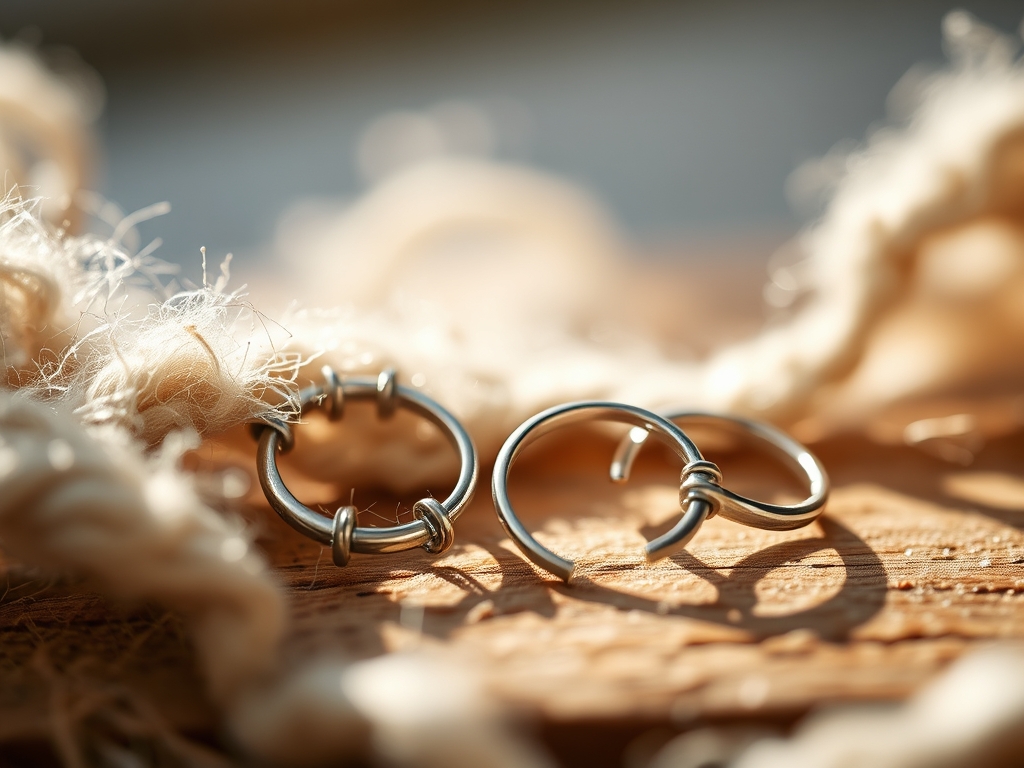
The most common of Simple Jewelry Repairs involves the humble jump ring. Never pull the ends of the ring apart laterally. Instead, use two pairs of pliers to twist the ends past each other in a lateral motion. This preserves the circular arc of the metal.
Mastery Tip: This technique relies on avoiding work hardening. If you bend metal back and forth too many times, the crystalline structure becomes brittle and snaps. By twisting once and closing once, you maintain the original tensile strength of the wire.
2. Securing a Loose Prong
If a stone is rattling, your prongs have likely migrated due to mechanical impact. Use a specialized prong pusher or a flat-nose plier to gently press the metal back against the crown of the stone. Work in a "North-South, East-West" pattern to distribute pressure evenly.
Mastery Tip: Observe the leverage applied. You are looking for a friction fit. If you apply too much force, you risk "bowing" the prong, which creates a gap at the base and makes the stone even less secure.
3. Re-attaching a Lobster Clasp
Clasps often fail because the internal steel spring loses its "memory" or the attachment ring opens. Open the connecting jump ring using the twisting method mentioned in step one, slide the new clasp on, and close it until the ends "click" or rub against each other.
Mastery Tip: This is about friction and alignment. A perfectly closed ring should have no visible gap. If light passes through the join, the thread or chain will eventually find its way out through capillary action during movement.
4. Restringing a Broken Elastic Bracelet
Elasticity is a result of long chain polymers. When these break, you must replace the entire cord. Use a 0.7mm or 1.0mm stretch cord and pre-stretch it before threading. This prevents the bracelet from sagging after the first wear.
Mastery Tip: Use a Surgeon's Knot followed by a drop of glue. The physics of the knot relies on increased surface area contact, which prevents the slick plastic cord from sliding against itself.
5. Straightening a Bent Earring Post
Earring posts are often made of sterling silver, which is highly ductile. Use nylon jaw pliers to gently squeeze the post back into a linear alignment. The nylon prevents "marring," which is the unwanted marking of the metal surface.
Mastery Tip: Metals have a yield point. You want to apply just enough stress to reach the plastic deformation stage without hitting the fracture point. Slow, steady pressure is superior to sudden jerks.
6. Replacing a Lost Stone with Epoxy
For foil-backed crystals or cabochons, a two part epoxy is your best friend. Mix the resin and hardener in a 1:1 ratio. Use a toothpick to apply a microscopic amount to the setting, then press the stone into place.
Mastery Tip: This involves surface tension. Too much glue will overflow and create a messy "fillet" around the stone. You want just enough to create a vacuum seal between the back of the stone and the setting.
7. Cleaning and Polishing for Longevity
The final fix is often just a deep clean. Use an ultrasonic cleaner or a soft brush with mild detergent to remove "biofilm" (skin oils and lotions) that can chemically corrode certain alloys over time.
Mastery Tip: Understanding oxidation is key. Silver reacts with sulfur in the air to create silver sulfide. By polishing, you are mechanically removing this layer to reveal the unreacted metal beneath.
THE TECHNICAL LEDGER
Maintenance is the key to longevity. Check your jewelry every six months for "thinning" at the points of contact, such as where a charm hangs on a chain. This is known as mechanical wear.
Material Variations:
- Sustainable/Recycled: When repairing, try to use recycled silver wire to reduce environmental impact.
- Premium: For high end pieces, ensure your replacement parts match the alloy exactly to prevent galvanic corrosion.
The Correction:
- Mistake: Over-tightening a prong and cracking a stone. Fix: Use a jeweler's loupe to monitor the gap in real time; stop the moment contact is made.
- Mistake: Using "Super Glue" on pearls. Fix: Pearls are organic and porous; the chemicals in instant glue can damage the nacre. Use only specialized jewelry cement.
- Mistake: Closing a jump ring with a gap. Fix: Use the "wiggle" technique; move the ends back and forth while applying inward pressure until they seat perfectly.
Studio Organization:
Store your repair components in airtight, anti-tarnish tabs. Moisture is the enemy of metal. Use a modular bin system where gauges are labeled clearly. This prevents you from using a 22-gauge ring where a 20-gauge is required for structural integrity.
THE FINAL REVEAL
Look at that! Your desk has transformed from a graveyard of broken baubles into a high functioning restoration lab. There is a profound sense of empowerment that comes from understanding the mechanical properties of your wardrobe. That necklace now hangs with perfect symmetry; the stone in your ring is seated with the authority of a professional setting. You have successfully navigated the complexities of metal fatigue and polymer bonding. Your jewelry is not just fixed; it is structurally sound and ready for the friction and kinetic energy of daily wear. You are no longer just a consumer of pretty things; you are a keeper of them.
STUDIO QUESTIONS
How do I know what wire gauge to use for Simple Jewelry Repairs?
Match the diameter using a digital caliper. Most necklaces use 20 or 22 gauge jump rings. A lower gauge number indicates a thicker, stronger wire capable of withstanding higher tensile stress.
Can I fix a broken chain without soldering?
Yes, if the link is large enough, you can use a tiny jump ring as a mechanical bridge. For fine "snake" chains, however, mechanical fixes are difficult and may require professional micro-soldering.
Why does my jewelry turn black after I fix it?
This is likely oxidation. Your skin oils or the heat from your hands accelerated the reaction with sulfur. Use a treated polishing cloth to restore the luster through mechanical abrasion.
Is it safe to use pliers on gold plated items?
Only if you use nylon-jaw pliers or wrap your metal tips in masking tape. Steel is harder than gold on the Mohs scale and will easily scratch the thin decorative layer.
What is the best way to store repaired jewelry?
Store pieces individually in soft pouches to prevent abrasive contact. Ensure the environment is low humidity to prevent chemical degradation of the metal alloys and adhesives.