Imagine the smell of fresh cedar and the gritty, tactile sensation of raw timber beneath your fingertips. Your palms feel the weight of a piece that has lived a thousand lives, but its surface is currently marred by dated varnish or scuffs. This is the moment where physics meets art. For your First Time Furniture Painting project, you are not just slapping on color; you are manipulating molecular adhesion and surface tension to create a professional finish. Chalk paint is a unique beast because its high calcium carbonate content creates a porous, matte structure that grips surfaces with incredible tenacity. You can feel the density of the pigment as you stir, a heavy, viscous swirl that promises to hide the sins of the past. We are going to transform that clunky thrift store find into a masterpiece using the science of layering and the grace of a seasoned maker. Grab your apron and clear your workspace; we are about to dive into the beautiful, messy world of furniture restoration.
THE STUDIO KIT
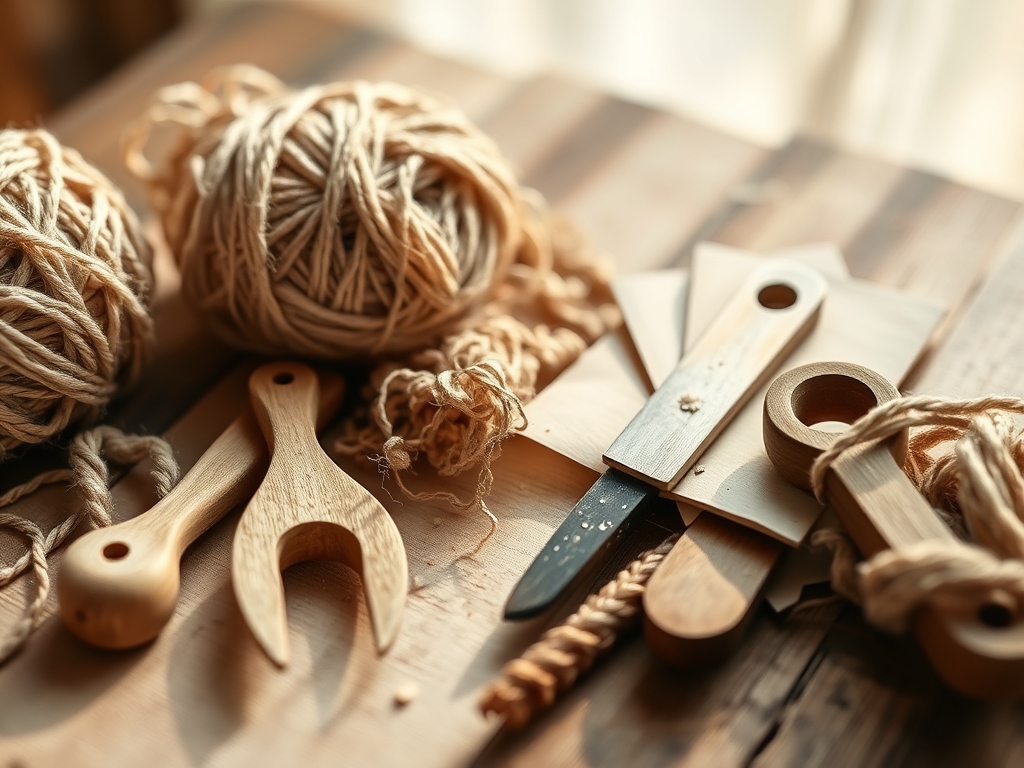
To master this craft, you need a kit that respects the tensile strength of your materials. Your primary weapon is a high quality synthetic round brush. Unlike flat brushes, a round brush allows for multidimensional strokes that follow the grain of the wood. You will also need a fine gauge sandpaper, specifically 220 grit, to create a mechanical bond without shredding the wood fibers. A lint free tack cloth is essential for removing microscopic debris that could cause "pitting" in your finish.
For material substitutions, if you lack a professional burnishing tool, a smooth bone folder or even the back of a stainless steel spoon can be used to compress the wax into the paint pores. If you do not have a specialized wax brush, a dense, natural bristle stencil brush serves as a fantastic ergonomic alternative. Always keep a set of calipers nearby if you are replacing hardware; measuring the center to center distance of screw holes is vital for structural integrity.
THE TEMPO
The "Maker's Rhythm" is about respecting the evaporation rate of your mediums. Your first phase is the Prep, which takes roughly sixty minutes of focused cleaning and light sanding. The Painting phase is the heartbeat of the project; each coat requires about two hours to dry, though the porosity of the wood will dictate the exact speed.
Do not rush the Curing phase. While the paint feels dry to the touch in thirty minutes, the chemical bonding process takes twenty four to forty eight hours before it can handle a topcoat. Finally, the Waxing or Sealing phase is a slow, meditative process that requires about one hour of active application followed by a full week of "soft cure" time. Respecting this tempo prevents the finish from peeling or "alligatoring" later.
THE CORE METHOD
1. Surface Debridement and Prep
Before the first drop of paint touches the wood, you must remove all lipids and waxes. Use a trisodium phosphate (TSP) solution to chemically strip oils. Use your oscillating tool with a soft sanding pad to scuff the surface. This creates "tooth," which increases the surface area for the paint molecules to grab onto.
Mastery Tip: This process utilizes mechanical adhesion. By increasing the surface roughness at a microscopic level, you allow the paint to "hook" into the substrate, preventing future delamination.
2. The First Pass: The Foundation Coat
Load your brush only one third of the way up the bristles to maintain ergonomic control and prevent paint from drying in the ferrule. Apply the paint in thin, even layers. Do not worry about full coverage on the first pass; you are simply establishing a chemical bridge between the wood and the pigment.
Mastery Tip: Watch for capillary action. If the paint vanishes into the wood too quickly, the wood is "thirsty" and may require a slightly dampened brush to slow the drying time and improve flow.
3. Grain Alignment and Second Coat
Once the first layer is dry, apply the second coat following the longitudinal grain of the wood. This ensures that the pigment particles align in a way that reflects light evenly, reducing visible brush strokes. Use a light hand to avoid "dragging" the underlying layer.
Mastery Tip: This step relies on leveling physics. As the water evaporates, the solids in the chalk paint settle. A steady, consistent pressure ensures an even thickness, or ply, across the entire surface.
4. Distressing for Depth
If you want a weathered look, use a fine rotary cutter or sandpaper to gently remove paint from high wear areas like corners and edges. This mimics natural erosion and adds visual "weight" to the piece.
Mastery Tip: Focus on areas of high kinetic friction. These are the spots where hands or clothing would naturally rub against the furniture over decades, making the distressing look authentic rather than forced.
5. The Wax Sealant
Apply a thin layer of furniture wax using circular motions. The wax fills the interstitial spaces between the paint particles, creating a moisture resistant barrier. After fifteen minutes, buff the surface with a clean cloth to achieve a soft luster.
Mastery Tip: This is a matter of hydrophobicity. The wax creates a non polar surface that repels water molecules, protecting the porous paint from stains and humidity changes.
THE TECHNICAL LEDGER
Maintenance is simple but vital. Clean your finished piece with a damp, pH neutral cloth. Avoid harsh chemicals that could dissolve the wax. For longevity, reapply a thin coat of wax every twelve to eighteen months to maintain the integrity of the seal.
Material variations can change your results. Premium chalk paints have higher pigment loads, while sustainable versions use recycled minerals. If you are working on a high traffic piece like a dining table, consider a water based polycrylic instead of wax for higher impact resistance.
The Correction:
- Bleed through: If tannins from the wood seep through the paint, stop and apply a shellac based primer to create a molecular block.
- Cracking: This happens if the paint is too thick. Sand the area flat and reapply in thinner layers.
- Brush Marks: If the paint is too viscous, add a teaspoon of distilled water to improve the rheology or flow of the liquid.
Store your leftover paint in a temperature controlled environment. Extreme cold can break the emulsion, rendering the paint useless. Ensure the lid is airtight to prevent the evaporation of the aqueous solvent.
THE FINAL REVEAL
Step back and look at that glow! Your furniture now possesses a velvety, matte finish that feels sophisticated and expensive. The colors are deep, the edges are crisp, and the structural beauty of the wood is preserved under a professional grade coating. You have successfully navigated the physics of First Time Furniture Painting, turning a discarded object into a functional work of art. The tactile satisfaction of running your hand over a perfectly buffed wax finish is the ultimate maker's high.
STUDIO QUESTIONS
Can I skip sanding for my first project?
While chalk paint has high adhesion, a light scuff sand is recommended. It breaks the surface tension of old finishes, ensuring the new paint does not peel when subjected to tensile stress or daily use.
Why is my paint finish streaky?
Streaks usually occur due to low pigment density or poor brush technique. Ensure you stir the paint thoroughly to redistribute settled solids and use long, continuous strokes to maintain a consistent wet edge during application.
How do I stop the wood from bleeding?
Tannin migration is a chemical reaction. To stop it, apply a clear shellac sealer. This creates an impermeable barrier that prevents acidic wood oils from rising through the porous paint layers and causing discoloration.
Is wax better than polyurethane?
Wax offers a traditional, tactile matte finish that is easy to repair. Polyurethane provides a harder, plasticized shell with higher abrasion resistance, making it superior for surfaces like tabletops that face heavy moisture and friction.