Close your eyes and run your palm across that thrifted mahogany dresser. You feel that? It is a chaotic map of jagged lacquer, microscopic divots, and decades of built up oils. Your journey into First Time Furniture Flipping starts not with a paintbrush, but with the raw, mechanical physics of friction. We are talking about the tensile strength of old finishes and the way wood fibers respond to heat. If you skip the prep, your expensive mineral paint will just sit on top of the surface tension like oil on water. We want a molecular bond, not a temporary coat. When you sand, you are essentially opening the pores of the wood, creating a mechanical tooth that allows your primer to anchor deep into the cellular structure of the timber. It is gritty, it is dusty, and it is the most satisfying part of the process because you are literally stripping away the past to reveal the structural integrity of the future. Grab your safety goggles; we are about to turn friction into fine art.
THE STUDIO KIT
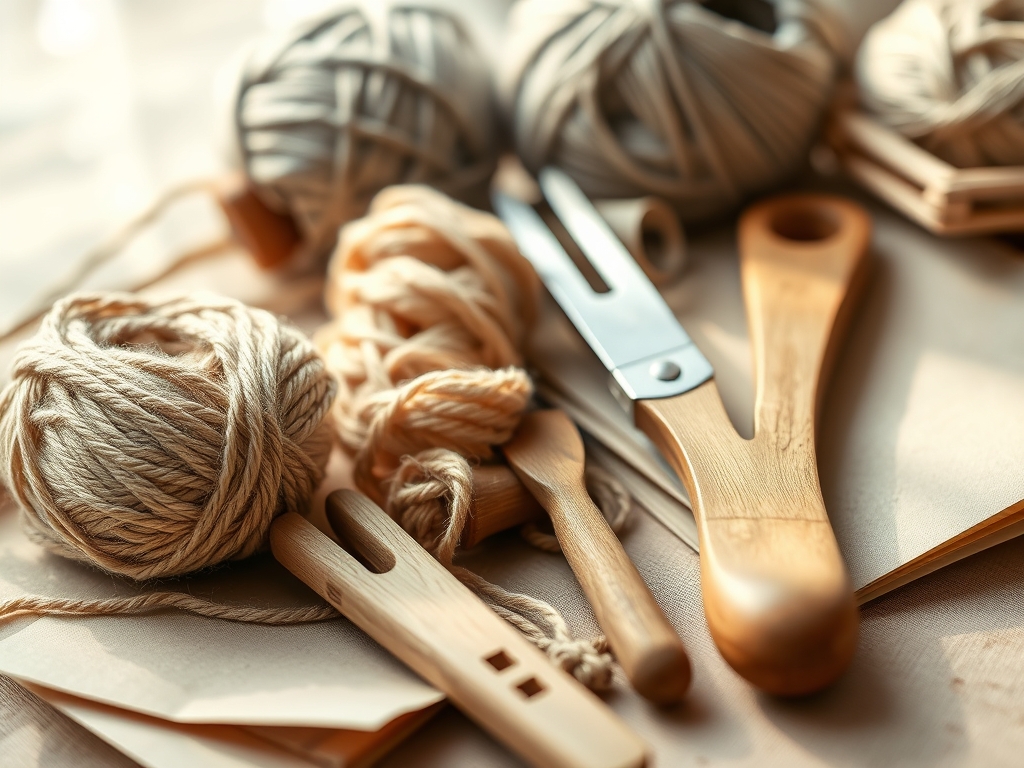
To master the surface, you need more than just a sheet of sandpaper. Your primary engine is a random orbital sander. Unlike a standard sheet sander, the orbital motion prevents cross grain scratching by rotating and oscillating simultaneously. You will need a progression of aluminum oxide sanding discs. This specific abrasive is preferred for its durability and heat resistance; cheaper garnet paper tends to dull too quickly when hitting hard polyurethane. Keep a digital caliper nearby to measure veneer thickness. If that veneer is less than 1.5mm, you are in the danger zone for sanding through the layer entirely.
For the intricate curves and tight radii where a power tool cannot reach, use a contoured sanding sponge or a scuff pad. If you are out of sponges, a great Material Substitution is a piece of high grit sandpaper wrapped around a rubber eraser; this provides a firm but flexible backing that maintains even pressure. You also need a tack cloth to remove the microscopic dust particles that can ruin your finish. Finally, keep a vacuum with a HEPA filter attached to your sander to maintain studio air quality and prevent dust from settling back into the wood grain.
THE TEMPO
The "Maker's Rhythm" is a steady, intentional pace that respects the material. For a standard mid sized dresser, expect to spend four to six hours on the sanding phase alone. You cannot rush the abrasive progression. Spend sixty percent of your time with your coarsest grit (usually 80 or 120) to remove the old finish. The remaining forty percent is split between smoothing the fibers with 150 grit and polishing the surface with 220 grit. If you move too fast, you will leave "pigtail" swirls that only become visible once the stain hits the wood. Listen to the pitch of your sander; a consistent hum indicates even pressure, while a struggling whine means you are pushing too hard and risking frictional heat damage.
THE CORE METHOD
1. The Surface Decontamination
Before a single abrasive touches the wood, you must strip away the wax and oils. Use a high strength degreaser and a scouring pad. If you sand over old furniture wax, the heat of the friction will melt that wax and drive it deeper into the wood pores, creating permanent "fish eye" spots where paint will never stick.
Mastery Tip: This involves capillary action. By removing surface oils first, you ensure that the dust created in the next step does not clump and clog the abrasive, allowing the sander to work at peak efficiency.
2. The Grit Progression Strategy
Start with 80 grit if the finish is thick, or 120 if it is thin. Always move in the direction of the wood grain. Moving across the grain severs the longitudinal fibers, creating deep scars that are nearly impossible to remove. Gradually work your way up the numerical scale.
Mastery Tip: The science here is surface profile. Each subsequent grit removes the scratches left by the previous one. Skipping from 80 to 220 leaves deep canyons that the fine paper cannot reach, resulting in an uneven finish.
3. Managing the Veneer Threshold
Most modern furniture uses a thin ply of decorative wood over a substrate like MDF. Use your calipers to check the edge. When sanding veneer, use a light touch and high grit. If you see a change in color or a "ghosting" effect, stop immediately; you are about to sand through to the glue layer.
Mastery Tip: This is about structural integrity. Veneer is held down by adhesives that can soften with the heat of a sander. Keep the tool moving to prevent localized heat buildup.
4. The Water Pop Technique
Once you finish your final 220 grit pass, lightly mist the wood with distilled water. This causes the compressed wood fibers to swell and stand up. Let it dry, then do a final light hand sand with a high grit sponge.
Mastery Tip: This addresses hygroscopy. Wood naturally absorbs moisture. By "popping" the grain now, you prevent the paint or stain from raising the grain later, ensuring a glass smooth final texture.
5. The Microscopic Cleanse
Your final step is the most critical. Use a vacuum with a brush attachment, followed by a tack cloth. Run your hand across the surface; it should feel like sueded silk. Any lingering dust will act as a contaminant, breaking the chemical bond of your topcoat.
Mastery Tip: This focuses on interfacial tension. A clean surface allows the liquid coating to "wet out" evenly, ensuring that the molecules of the paint can wrap around the wood fibers for maximum adhesion.
THE TECHNICAL LEDGER
Maintenance & Longevity: To keep your sander in top shape, use a rubber cleaning stick to remove "clogging" from your discs. This extends the life of your abrasives by thirty percent. Store your sandpaper in a climate controlled environment to prevent the adhesive backing from becoming brittle.
Material Variations:
- Sustainable: Use cork sanding blocks; they are biodegradable and offer excellent ergonomic support.
- Recycled: Old denim scraps make excellent heavy duty buffing cloths for wax finishes.
- Premium: Invest in ceramic grain abrasives. They stay sharp longer and cut cooler than standard aluminum oxide.
The Correction:
- The Burn Through: If you sand through veneer, use a shellac stick or wood epoxy tinted to match the grain. Use an awl to etch "grain lines" into the patch.
- Swirl Marks: If you see pigtails, go back down one grit level and sand more slowly. Ensure your vacuum suction is not too high, which can cause the sander to "grab" the wood.
- Clogged Paper: If the paper gums up instantly, the finish is not dry or is too waxy. Stop and use a chemical stripper or more degreaser.
Studio Organization: Store your project off the floor on painter's pyramids. This allows air to circulate around all sides, preventing the wood from warping due to uneven moisture absorption from a concrete shop floor.
THE FINAL REVEAL
Look at that transformation! The piece no longer looks like a tired relic; it has the tactile elegance of a high end gallery find. By respecting the physics of the wood and the mechanics of your tools, you have moved beyond "just painting" into the realm of true craftsmanship. Your First Time Furniture Flipping project is now a masterclass in surface preparation. The grain is open, the surface is level, and that "mechanical tooth" is ready to grip your design. You didn't just change the color; you engineered a professional grade finish that will last for decades.
STUDIO QUESTIONS
How do I know when I am done sanding?
The surface should have a uniform, matte appearance with no shiny spots. When you run a gloved hand over the wood, there should be zero resistance or snagging. Use a raking light to check for hidden scratches or uneven patches.
Can I skip grits to save time?
No. Skipping grits leaves deep microscopic scratches that the finer paper cannot level. This results in a "muddy" finish where stain collects in the deep grooves, ruining the clarity of the wood grain and the professional look of your flip.
What is the best way to sand detailed carvings?
Use a flexible scuff pad or a contoured foam sponge. For extremely tight crevices, a small jeweler's saw or a piece of sandpaper folded into a "v" shape works best. Never use power tools on delicate, hand carved details.
Why does my sandpaper keep getting gummed up?
This usually happens because the old finish is softening from frictional heat or hasn't been properly degreased. Slow down your sander speed, use a fresh disc, and ensure you have thoroughly cleaned the piece with a high quality de-waxer first.