

Run your fingers over the grain of a fresh sheet of cold pressed watercolor paper. Feel that tooth? That is the microscopic landscape where your imagination is about to take root. Nurturing a Creative Space in a tiny room is not just about aesthetics; it is a high stakes game of spatial physics and material management. When you are squeezed into a few square feet, every inch must pull its weight. You are not just decorating a corner; you are building a pressurized vessel for your genius. The air in a small studio should feel charged, vibrating with the potential of your tools. We are going to transform your cramped quarters into a high efficiency laboratory where the friction of a small footprint actually sparks more heat. Think of it as compressing your creative energy until it has no choice but to explode into brilliant work. We are ditching the clutter and leaning into the science of workflow. Grab your calipers and your favorite mechanical pencil; we are about to re-engineer your reality.
THE STUDIO KIT
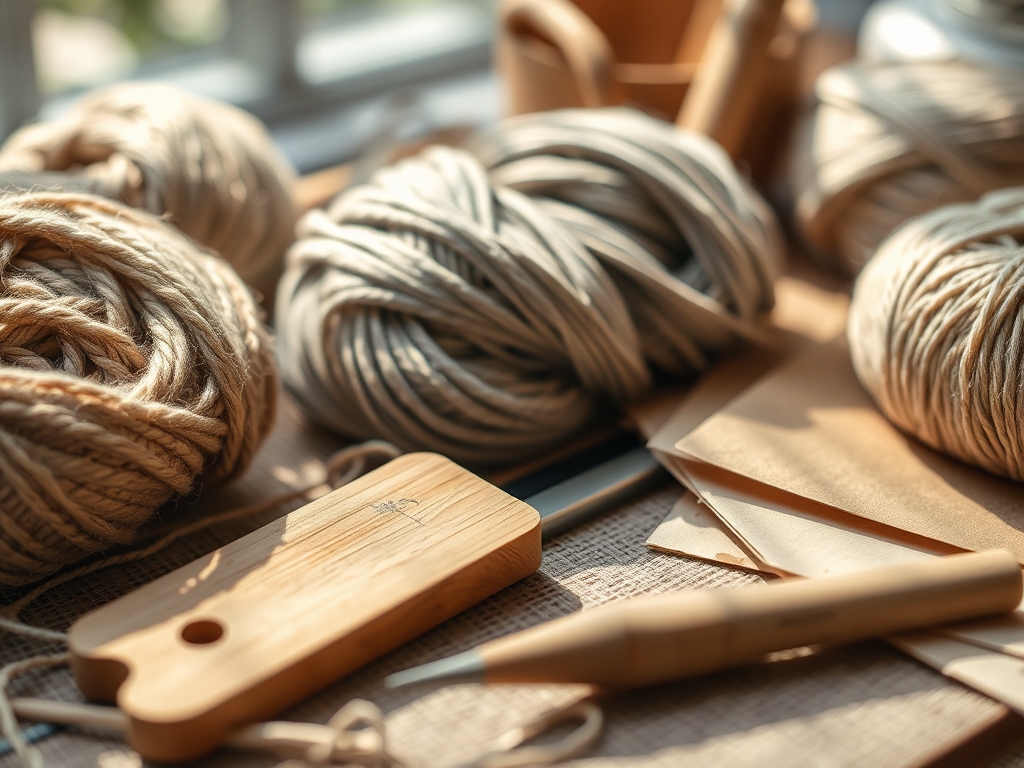
To master the art of Nurturing a Creative Space, you need a kit that respects the tensile strength of your environment. Start with a self-healing cutting mat; its high density polymer structure allows it to absorb blade strikes without permanent scarring. You will need a precision hobby knife with a carbon steel blade for surgical accuracy. For measurements, skip the plastic ruler and grab a stainless steel cork backed rule to prevent slippage on smooth surfaces. A bone folder is essential for creating crisp, professional creases in paper by compressing the cellulose fibers without tearing them.
Material Substitutions: If you cannot find a professional bone folder, a smooth agate burnishing stone or even the back of a heavy metal spoon works. If a self-healing mat is out of reach, a thick sheet of tempered glass provides a non-porous, rigid surface that is excellent for mixing pigments or cutting with a rotary tool, though it lacks the "grip" of rubberized mats.
THE TEMPO
The "Maker's Rhythm" is a biological feedback loop between your heart rate and your hand movements. In a tiny space, this rhythm is your best defense against chaos. Phase one is the Spatial Audit (30 minutes), where you measure the gauge of your workspace and clear the decks. Phase two is the Active Build (2 to 4 hours), where the actual work happens. This is the period of high focus where you must respect the drying times of adhesives or the cure rates of polymers. Phase three is the Reset (15 minutes). In a small room, the Reset is non-negotiable. It involves returning tools to their magnetic strips and wiping down surfaces to prevent cross-contamination of materials like glitter, oils, or stray graphite.
THE CORE METHOD
1. Vertical Optimization
Stop looking at your floor and start looking at your walls. Gravity is your enemy in a small room, so we fight back with vertical storage systems. Use pegboards or French cleats to hang your heavy tools. By elevating your oscillating tools and heavy shears, you free up the primary work surface for high-precision tasks.
Mastery Tip: The science here is load-bearing distribution. When mounting shelves, ensure you are anchoring into the wall studs. This prevents the shear force of your heavy art books or clay supplies from pulling the drywall anchors through the gypsum.
2. Zonal Categorization
Divide your tiny room into "Wet," "Dry," and "Tech" zones. This prevents capillary action from ruining your work; you do not want your watercolor wash accidentally wicking into your expensive electronics or clean cardstock.
Mastery Tip: Understand porosity. Keep your highly porous materials, like unprimed canvas or cotton rag paper, far away from your "Wet" zone to prevent them from absorbing ambient humidity or accidental splashes through atmospheric moisture transfer.
3. Mobile Modular Units
Everything in a tiny studio should be on casters. When your furniture is mobile, you can reconfigure the entire room's ergonomics in seconds to accommodate different projects.
Mastery Tip: Look for locking swivel casters with polyurethane wheels. Polyurethane offers a high coefficient of friction, ensuring that once you lock your table in place, it will not vibrate or shift while you are performing delicate tasks like soldering or fine-line inking.
4. Lighting Temperature Calibration
In a small space, shadows are your worst enemy. Use a combination of overhead LED panels and adjustable swing-arm lamps.
Mastery Tip: Aim for a Color Rendering Index (CRI) of 90 or higher. This ensures that the light spectrum hitting your materials is broad enough to reveal true colors, preventing the heartbreak of a "perfect" painting looking muddy once it leaves the studio.
5. Micro-Organization of Fasteners
Small parts like eyelets, beads, or screws should live in clear, stackable containers. Labeling them by gauge or millimeter size saves your brain from decision fatigue.
Mastery Tip: Utilize magnetic strips for small metal tools. The magnetic flux keeps your awls and tweezers organized and prevents the tips from dulling against other tools in a drawer.
6. The "One-In, One-Out" Protocol
Nurturing a Creative Space requires a strict mass-balance equation. If you bring in a new gallon of gesso, an old bottle must go. This maintains the spatial equilibrium of the room.
Mastery Tip: This is essentially entropy management. By limiting the total mass of materials in your room, you reduce the energy required to maintain order, leaving more mental energy for the creative process.
7. Ergonomic Height Alignment
Adjust your chair and desk so your elbows are at a 90-degree angle. This reduces the torque on your lower back and prevents repetitive strain.
Mastery Tip: The kinetic chain of your body dictates your precision. If your desk is too high, you lose the fine motor control in your wrists, which is vital for using a jeweler's saw or a fine-point brush.
8. Atmospheric Control
Small rooms trap fumes and dust quickly. Use a HEPA filter or a small extraction fan when working with resins or aerosols.
Mastery Tip: This is about particulate density. In a confined volume of air, the concentration of VOCs (Volatile Organic Compounds) rises exponentially. Proper ventilation ensures your brain stays sharp and your lungs stay clear.
THE TECHNICAL LEDGER
Maintenance & Longevity: Clean your tools with isopropyl alcohol to remove oils and adhesives. For wooden handles, a light coat of linseed oil maintains the structural integrity of the wood fibers, preventing cracking in dry studio environments.
Material Variations:
- Sustainable: Bamboo plywood is incredibly dense and makes for a rigid, eco-friendly work surface.
- Premium: Solid brass weights are perfect for holding down paper without the risk of snagging or staining.
The Correction:
- The Mistake: Overloading a shelf until it bows. The Fix: Install a center support bracket to redistribute the compressive force.
- The Mistake: Glue seeping onto your work surface. The Fix: Use a silicone mat; the low surface energy of silicone means even dried glue peels right off.
- The Mistake: Dull blades causing ragged edges. The Fix: Change your hobby knife blade the moment you feel increased friction.
Studio Organization: Store your paper flat in acid-free portfolios to prevent warping caused by gravity and humidity. Keep your adhesives in a cool, dark place to prevent the polymer chains from breaking down.
THE FINAL REVEAL
Look at that! Your tiny room is no longer a closet; it is a high-performance engine of creativity. By respecting the physics of your materials and the geometry of your space, you have created a sanctuary where every tool is an extension of your hand. The air feels lighter, the light is sharper, and your heart is ready to dive into the next project. This is the power of Nurturing a Creative Space; it turns "small" into "mighty."
STUDIO QUESTIONS
How do I prevent my art supplies from smelling up a small room?
Use airtight storage bins for solvents and oils. Invest in a high-quality air purifier with a carbon filter to neutralize Volatile Organic Compounds (VOCs) and keep the air fresh for long sessions.
What is the best way to store large paper in a tiny space?
Use a vertical blueprint rack or a flat file tucked under your bed. Storing paper flat prevents structural warping and keeps the fibers from developing permanent "memory" curves that ruin your work.
How can I make my small studio feel larger?
Maximize your luminous flux by using mirrors to bounce light into dark corners. Keep your work surfaces clear of permanent clutter to maintain a high "visual volume" and reduce mental claustrophobia.
Is it okay to work on the floor in a small room?
Only for short periods. The floor lacks ergonomic support, leading to back strain. If you must work low, use a drafting stool or a dedicated floor desk to maintain proper spinal alignment.