The cold, sleek surface of a soda-lime glass vessel is a blank canvas of high-density molecular silence. When you first pick up a heavy-bottomed whiskey glass or a delicate wine flute, your fingertips register the thermal conductivity of a material that is technically a supercooled liquid. It feels permanent; it feels unyielding. However, mastering an Intro to Glass Etching allows you to disrupt that smooth surface tension to create something permanent and breathtaking. We are not just crafting; we are performing a controlled chemical abrasion. You can feel the grit of the etching cream against the stainless steel applicator, a tactile reminder that you are about to rearrange the light-refracting properties of the glass itself. This process is about the marriage of chemistry and artistry, where a simple vinyl barrier dictates where the light will scatter and where it will pass through. Grab your safety gear and your favorite playlist because we are about to turn basic glassware into high-end, customized heirlooms with the precision of a laboratory technician and the soul of a street artist.
THE STUDIO KIT
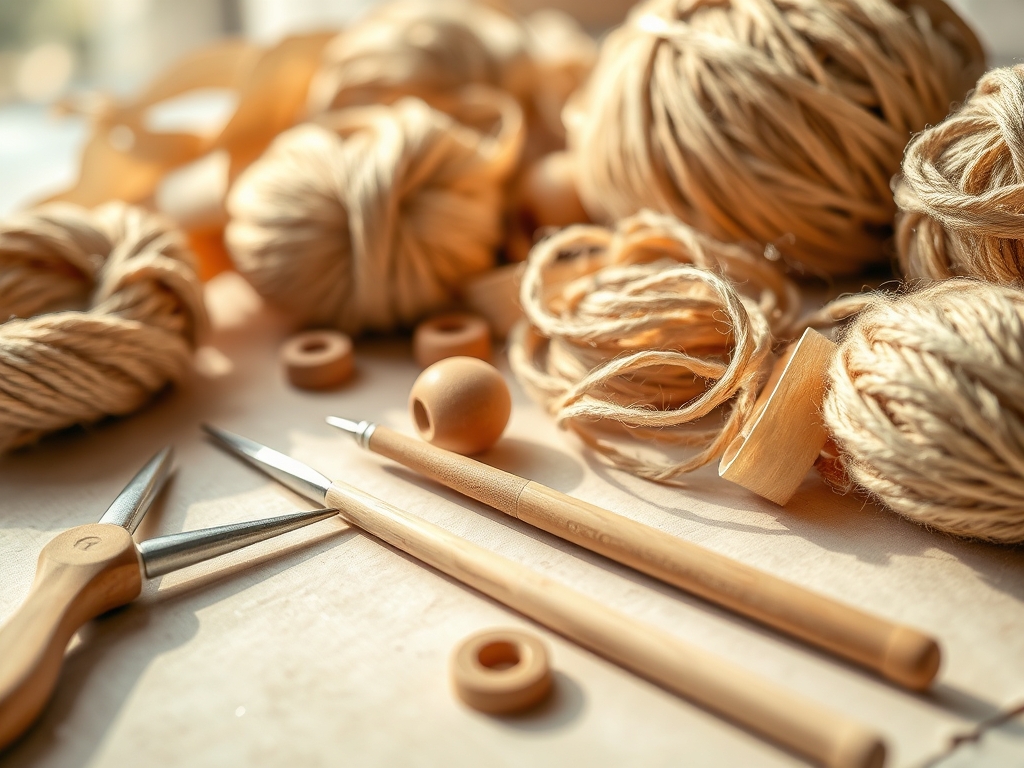
To execute a professional-grade etch, your workstation must be a curated environment of chemical resistance and ergonomic efficiency. The primary agent is an etching cream containing ammonium bifluoride, a compound that reacts with the silica in the glass to create that signature frosted finish. You will need high-tack adhesive vinyl for your stencils; this provides the necessary tensile strength to withstand the moisture of the cream without lifting at the edges. A high-quality bone folder or a plastic burnishing tool is non-negotiable for ensuring a hermetic seal between the vinyl and the substrate.
For the application, skip the flimsy craft brushes and opt for a small palette knife or a firm synthetic brush that allows for a thick, even "glob" of material. You will also need 91 percent isopropyl alcohol to strip the glass of cutaneous oils, which can act as a barrier to the chemical reaction. If you are looking for Material Substitutions, you can swap specialized stencil vinyl for heavy-duty painter's tape or even contact paper, though the latter has a lower gauge and may tear during the weeding process. For a mechanical alternative, a rotary tool with a diamond-tipped bit can achieve a similar "engraved" look, but it lacks the uniform, velvety texture provided by chemical etching.
THE TEMPO
The "Maker's Rhythm" in glass etching is a game of patience followed by a sprint. Your initial phase, the Preparation Movement, takes approximately twenty minutes. This involves the meticulous cleaning of the glass and the application of the stencil. If you rush the burnishing phase, you risk "under-mining," where the cream seeps beneath the stencil and ruins your crisp lines.
The Reaction Phase is the heart of the project, typically lasting between five and ten minutes depending on the atmospheric humidity and the specific brand of cream. During this time, the chemistry does the heavy lifting. Finally, the Recovery Phase is a five-minute window where you neutralize the acid under cool running water and peel back the stencil to reveal the transformation. Total bench time per gift is roughly forty minutes, but the result looks like it took a lifetime of apprenticeship to master.
THE CORE METHOD
1. Substrate Decontamination
Before the stencil even touches the glass, you must remove every microscopic trace of dust and oil. Use a lint-free microfiber cloth saturated with isopropyl alcohol.
Mastery Tip: The science here involves surface energy. Oils from your skin lower the surface energy of the glass, preventing the adhesive on your stencil from forming a true molecular bond, which leads to "bleeding" at the edges.
2. Stencil Calibration and Application
Center your stencil using a grid-lined transfer tape. Once positioned, use your bone folder to apply pressure from the center outward.
Mastery Tip: This utilizes mechanical adhesion. By applying firm, directional pressure, you are forcing the adhesive into the microscopic pits of the glass surface, ensuring that the chemical cream cannot bypass the barrier via capillary action.
3. The Cream Loading Technique
Apply the etching cream in a thick, opaque layer. You should not be able to see the design through the cream.
Mastery Tip: Maintaining a consistent viscosity is key. If the cream is too thin, it may run; if it is too thick and uneven, the etch will be splotchy. A uniform depth ensures that the ammonium bifluoride interacts with the silica at a consistent rate across the entire design.
4. Agitation and Timing
Halfway through the waiting period, use your applicator to gently "stir" the cream on top of the glass without touching the stencil edges.
Mastery Tip: This breaks up any air bubbles or pockets of spent chemical. By redistributing the active ions, you ensure that fresh reactant is always in contact with the glass, resulting in a deeper, more professional frost.
5. The Neutralization Rinse
Rinse the glass under a steady stream of cool water before removing the stencil.
Mastery Tip: This immediately halts the chemical reaction. Leaving the cream on while you struggle to peel the vinyl can lead to "ghosting," where diluted cream creates a secondary, unwanted etch on the surrounding glass.
THE TECHNICAL LEDGER
Maintenance & Longevity: Etched glass is permanent and dishwasher safe because the design is physically part of the glass structure. However, avoid using abrasive scouring pads directly on the etched area, as this can trap oils and diminish the "frosty" appearance over time.
Material Variations: For a sustainable approach, upcycle glass jars from high-end preserves. These often have a higher borosilicate content, which reacts beautifully to etching. For premium gifts, choose lead-free crystal, as the lack of lead ions allows for a more brilliant, white etch.
The Correction:
- The Bleed: If cream seeps under the stencil, you cannot "erase" it, but you can sometimes use a fine-grit polishing stone to gently buff the edges.
- The Splotch: If the etch is uneven, re-apply a fresh layer of cream to the entire area for another three minutes to level out the finish.
- The Scuff: If the glass gets scratched during weeding, use a jeweler's rouge and a felt wheel on a rotary tool to buff out the imperfection.
Studio Organization: Store your etching cream in a climate-controlled environment. Extreme cold can cause the chemicals to crystallize, while heat can alter the viscosity, making it difficult to apply. Keep your vinyl stencils flat in a dark drawer to prevent the adhesive from degrading due to UV exposure.
THE FINAL REVEAL
There is a specific moment of magic when the water hits the glass and the white, frosted design emerges from beneath the sludge of the cream. It is a high-contrast, sophisticated transformation that feels incredibly professional. The texture is velvety to the touch, a stark departure from the slick surrounding glass. When you hand this over as a gift, the recipient will immediately run their thumb over the etch, sensing the physical change in the material. It is a piece of functional art that balances the cold industrial nature of glass with the warm, personal touch of custom design.
STUDIO QUESTIONS
Can I etch Pyrex or heat-treated glass?
Yes, but it requires a longer dwell time. Borosilicate glass is more resistant to chemical abrasion than standard soda-lime glass, so extend your reaction phase by three to five minutes to ensure the etch is deep enough to be visible.
Is the etching cream toxic to breathe?
While it does not produce heavy fumes, you should always work in a well-ventilated space. The primary risk is skin contact. Always wear nitrile gloves to protect your hands from the acidic pH of the ammonium bifluoride compound.
Why did my etch come out looking patchy?
Patchiness is usually caused by cutaneous oils or uneven cream application. If the glass was not perfectly decontaminated with alcohol, or if the cream layer was too thin, the chemical reaction will occur at different rates across the surface.
Can I reuse my vinyl stencils?
Generally, no. Removing the stencil usually stretches the vinyl beyond its original tensile limits, destroying the crisp edges. For production runs, it is more efficient to cut multiple single-use stencils to maintain the structural integrity of the design.
How do I make the etch "pop" more?
To increase visibility, you can apply a "rub-n-buff" metallic wax over the finished etch. The porous nature of the frosted glass will hold the pigment while the smooth glass wipes clean, creating a stunning high-contrast metallic finish.