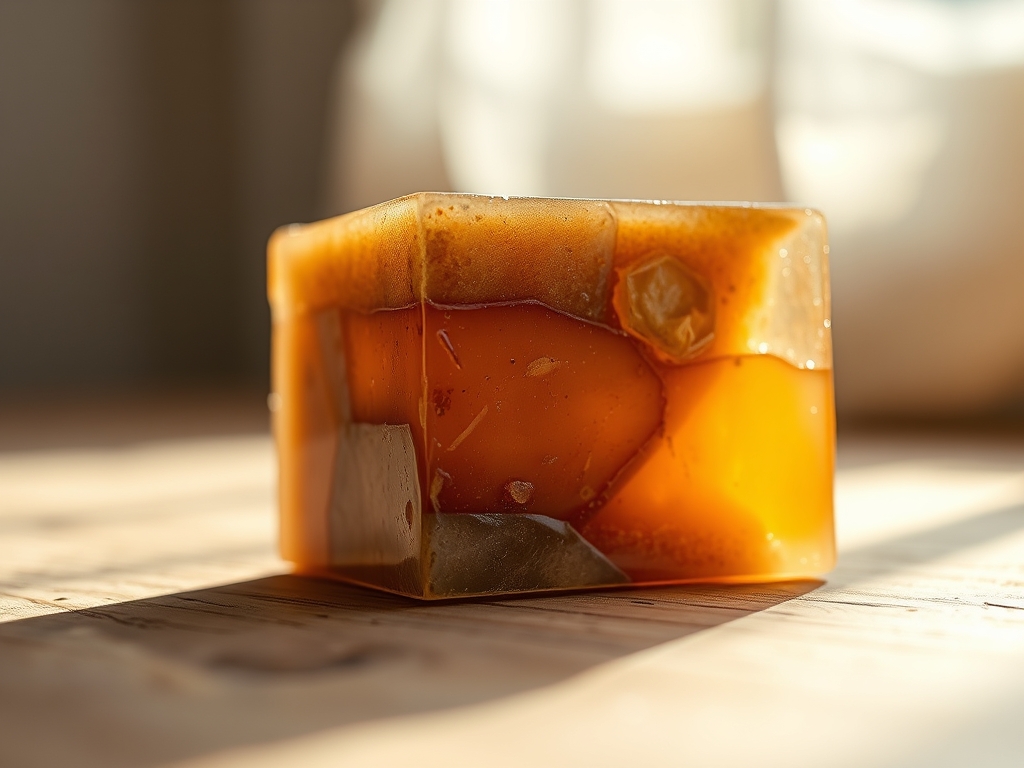
Imagine the sharp, clinical scent of a fresh workspace meeting the heavy, honey-like pull of a high-viscosity polymer. There is a specific, electric thrill when you first see a crystal-clear liquid transform into a solid, wearable gem. This is the alchemy of First Time Resin Casting, where you manage the delicate balance between chemical heat and aesthetic precision. You are not just pouring plastic; you are mastering the physics of fluid dynamics and the structural integrity of a finished piece. The tactile satisfaction of a perfectly cured pendant, smooth as glass and light as a feather, is unmatched. We are diving into the grit and the glory of the studio, where we turn messy goop into high-end jewelry. Grab your safety gear and your sharpest focus; we are about to manipulate molecules to create something permanent. This journey requires patience, a steady hand, and a deep understanding of how air behaves when it is trapped in a sticky, synthetic embrace.
THE STUDIO KIT
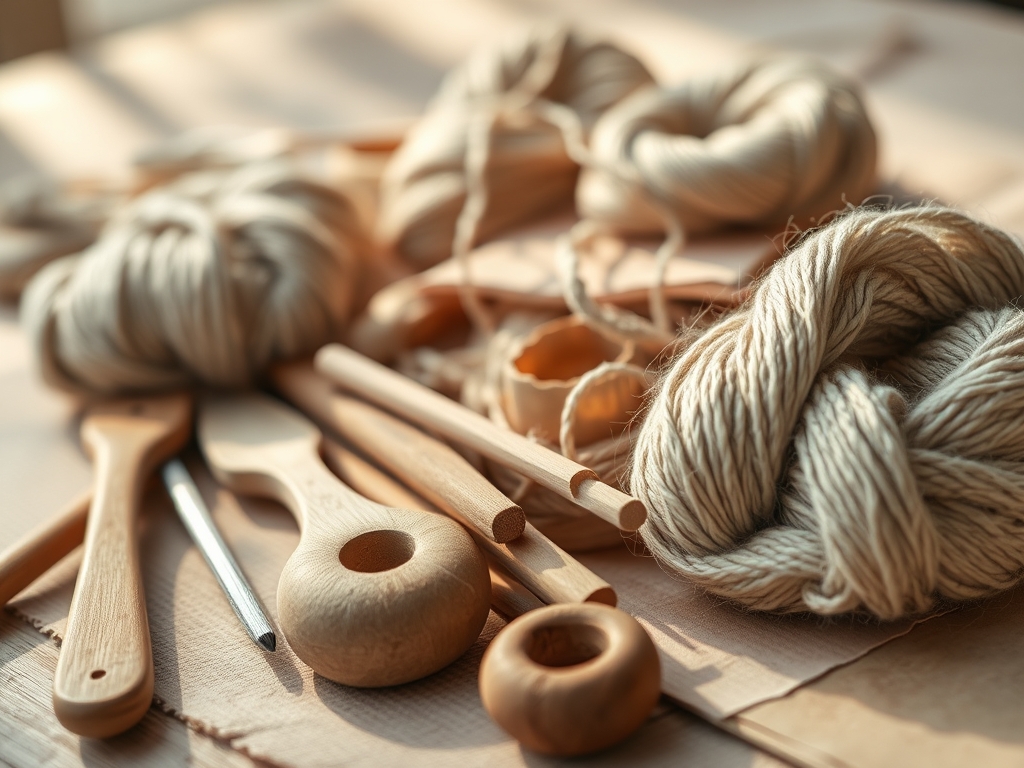
To achieve a professional finish, your workbench needs more than just resin. You need a digital gram scale for precise weight ratios; volume measurements are often unreliable due to the meniscus effect in plastic cups. You will also need silicone stir sticks, which are superior to wood because wood is porous and introduces moisture and air into the mix. For finishing, keep a jeweler's saw and a set of needle files nearby to trim the flash (excess resin) from the edges of your mold.
Material Substitutions: If you lack a professional pressure pot to crush bubbles, a warm water bath for your resin bottles can decrease viscosity. If you do not have a specialized degassing chamber, a vibrating motor or even a handheld massager held against the side of the mixing cup can help encourage bubbles to rise. Instead of expensive mold release, a very thin application of petroleum jelly buffed into the mold can work, though it may slightly dull the surface finish.
THE TEMPO
Success in the studio is all about the Maker's Rhythm. You cannot rush a chemical reaction. The first phase is the Induction Period, lasting about 5 to 10 minutes, where the resin and hardener begin their exothermic reaction. This is your window for degassing. The second phase is the Open Time or Pot Life, usually 20 to 45 minutes depending on the brand, where you must complete your pour. Finally, the Cure Cycle takes 24 to 72 hours. During this time, the piece moves from a gel state to a full Shore D hardness. Respecting these windows ensures the tensile strength of the jewelry remains high; pulling a piece too early can lead to permanent warping or "thumbprint" indentations.
THE CORE METHOD
1. The Thermal Prep
Before you even open your bottles, place them in a sealed bag and submerge them in warm water. This reduces the dynamic viscosity of the fluid, making it thinner and allowing air to escape more easily.
Mastery Tip: This works because of molecular kinetic energy. As the resin warms, the molecules move faster and sit further apart, which lowers the internal friction of the liquid. A thinner liquid cannot "grip" air bubbles as tightly as a thick one.
2. The Slow Fold Stir
When combining Part A and Part B, do not whip the mixture. Use a deliberate, folding motion with your stir stick. Scrape the sides and the bottom of the cup constantly to ensure a homogeneous mixture.
Mastery Tip: Rapid stirring creates turbulent flow, which sucks air into the liquid. By using a slow, laminar flow motion, you prevent the mechanical entrapment of oxygen, ensuring the chemical bond is uniform throughout the entire batch.
3. The High Altitude Pour
When transferring resin into your jewelry mold, hold the cup at least six to eight inches above the target. Pour in a very thin, "thread-like" stream into the lowest point of the mold.
Mastery Tip: This technique utilizes gravitational elongation. As the resin falls in a thin strand, any bubbles within the stream are stretched and popped by atmospheric pressure before they even hit the mold surface.
4. The Capillary Coat
Before filling the mold completely, use a fine awl or a toothpick to "paint" a thin layer of resin into the deep corners and intricate details of the silicone.
Mastery Tip: This overcomes surface tension. In small jewelry molds, resin often skips over tight corners due to its own cohesive forces. Manually moving the liquid into these gaps ensures no "voids" or air pockets are trapped against the mold wall.
5. The CO2 Flash
After pouring, wait two minutes for bubbles to rise to the surface. Pass a butane torch or a heat gun quickly over the top. Do not linger, or you will scorch the mold.
Mastery Tip: The heat causes the air inside the bubble to expand rapidly, while the CO2 from the flame lowers the surface tension of the resin. This combination causes the bubble to pop instantly without leaving a scar on the surface.
THE TECHNICAL LEDGER
Maintenance & Longevity: To keep your jewelry pristine, avoid UV exposure which can cause photo-degradation (yellowing). Clean your silicone molds with high-grade isopropyl alcohol after every use to remove residual oils that can interfere with the next pour's surface energy.
Material Variations: For a sustainable approach, look for bio-based epoxies that replace petroleum-derived carbons with plant-based ones. For premium "high-jewelry" looks, use low-viscosity deep pour resins which are designed to stay liquid longer, allowing every single bubble to escape naturally.
The Correction:
- Tacky Surface: This is usually caused by an incorrect mixing ratio or high humidity. Fix it by sanding the surface and applying a thin top coat of UV resin.
- Cloudiness: This often results from moisture contamination. Ensure all inclusions (like dried flowers) are 100% desiccated.
- Pitting: Small holes on the surface occur when bubbles pop too late. Use a rotary tool with a polishing bit to buff these out after a secondary "spot fill."
Studio Organization: Store your resin in a climate-controlled, dark cabinet. Extreme temperature swings can cause the resin to crystallize. If this happens, you must heat the bottle until the crystals melt back into a clear liquid before use.
THE FINAL REVEAL
There is nothing quite like the moment you de-mold a piece and see the light catch a perfectly clear, bubble-free interior. When you master these five tips, your jewelry transitions from a "craft project" to a professional-grade accessory. The edges are crisp, the inclusions are suspended in perfect stasis, and the surface has that high-gloss, ergonomic feel that only comes from precision. You have successfully navigated the physics of polymers; now, it is time to polish that piece to a mirror shine and show the world what you have engineered.
STUDIO QUESTIONS
How do I stop resin from sticking to my tools?
Use silicone tools or wait for the resin to cure on your stir sticks; it will peel right off. For metal tools like calipers, wipe them immediately with 91% isopropyl alcohol to prevent the resin from hardening and ruining the tool's precision.
Can I use any glitter for jewelry casting?
Most glitters work, but heavy glitters will sink due to sedimentation rates. For an even suspension, wait until the resin reaches a "honey-like" state in the pot before adding your glitter; this increased viscosity holds the particles in place.
Why did my resin get extremely hot and smoke?
This is a flash cure. It happens when you mix too much resin at once or the ambient temperature is too high. The exothermic reaction accelerates out of control. Always stay within the manufacturer's recommended maximum pour depth and volume.
What is the best way to remove sharp edges?
Use a burnishing tool or high-grit wet/dry sandpaper (starting at 400 and moving to 3000). Sanding submerged in water prevents the resin dust from becoming airborne and keeps the friction heat low, which prevents the resin from softening or clogging the paper.