
Imagine the sensation of honey flowing over glass; it is thick, viscous, and possesses a surface tension that feels almost magnetic as it clings to your stir stick. This is the alchemy of your Intro to Resin Art. You are not just playing with liquid plastic; you are managing a complex exothermic reaction where two distinct monomers cross-link to form a rigid, high-gloss polymer with impressive tensile strength. The air in the studio smells faintly of chemistry and potential. As you pour, the liquid seeks its own level, a perfect horizontal plane governed by gravity and molecular cohesion. It feels heavy in the cup, a dense weight that promises a crystal-clear finish once the curing process completes. We are diving into a world where physics meets aesthetics, and honestly, it is the most addictive medium you will ever touch. You need to respect the science to master the art; otherwise, you are just making a sticky mess. Let us get your workspace calibrated for success.
THE STUDIO KIT
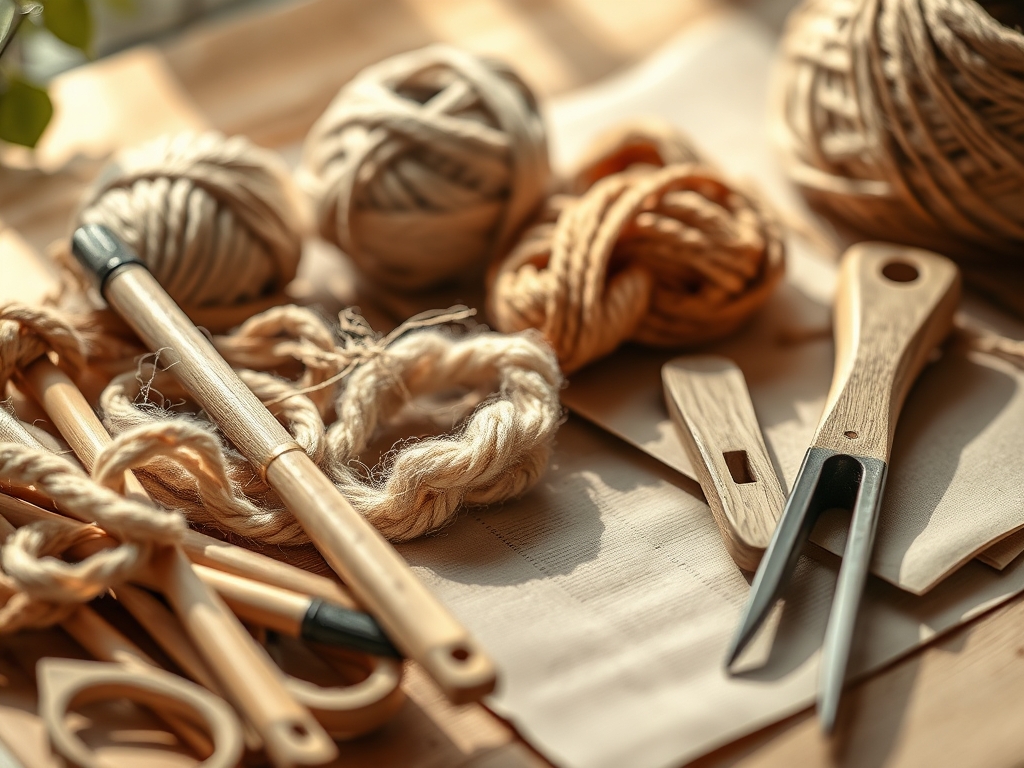
To begin your journey, you need a kit that respects the chemical nature of the medium. Your primary tools are a two-part epoxy system consisting of a resin and a hardener. You will also need precise measuring cups with graduated markings; accuracy here is non-negotiable because an off-ratio mix leads to permanent tackiness. For agitation, use silicone stir sticks rather than wood; wood is porous and introduces micro-bubbles into the mixture. A heat gun or a butane torch is essential for popping surface bubbles through thermal expansion. You should also have a digital scale for weight-based mixing, which is often more accurate than volume. For material substitutions, if you lack a professional silicone mold, you can use polyethylene containers or even wax-coated paper, as resin will not bond to these non-polar surfaces. Always keep a pair of calipers nearby to check the depth of your pours, ensuring they do not exceed the maximum thickness specified by the manufacturer, which could lead to a flash cure.
THE TEMPO
The Maker's Rhythm in resin art is dictated by the pot life and the cure cycle. This is not a hobby for the rushed. You start with the mixing phase, which usually takes three to five minutes of steady, rhythmic folding to ensure every molecule of hardener meets a molecule of resin. Once combined, your "working time" or pot life begins; this is typically twenty to forty minutes depending on the ambient temperature and the specific chemical formulation. During this window, the viscosity gradually increases as the exothermic reaction generates heat. After the pour, the "gel phase" occurs, where the resin becomes rubbery and can no longer be manipulated. Finally, the full cure takes twenty-four to seventy-two hours. During this time, the polymer chains reach their maximum density and structural integrity. You must synchronize your workflow to these chemical milestones; if you miss your window, the resin will begin to "string," ruining the self-leveling properties of the pour.
THE CORE METHOD
1. Ventilation and Respiratory Defense
The most critical safety rule involves your air quality. Even "low odor" resins emit Volatile Organic Compounds (VOCs) during the curing process. You must work in a space with active cross-ventilation or use a respirator fitted with organic vapor cartridges. Mastery Tip: Vapor pressure increases as the resin heats up during the exothermic reaction; a respirator ensures that these airborne molecules do not enter your bloodstream through the lungs, preserving your long-term neurological health.
2. Dermal Protection and Barrier Creams
Resin is a sensitizer, meaning repeated skin contact can lead to permanent allergies. Always wear nitrile gloves rather than latex; nitrile has a higher chemical resistance and a lower permeability rate. Mastery Tip: The molecular weight of epoxy resin is small enough to penetrate porous materials, so wearing a dedicated apron protects your clothing from becoming a secondary source of skin exposure through capillary action.
3. The Precision Ratio Mix
Safety starts with chemistry. If you do not mix your components in the exact ratio specified, the resulting material may remain toxic and unstable. Use a digital scale to verify the density of your pour. Mastery Tip: Achieving a stoichiometric balance ensures that no unreacted monomers remain in the finished piece; this prevents "leaching," where chemicals can seep out of the plastic over time.
4. Thermal Management and Flash Curing
When resin is confined in a large mass, it generates significant heat. If the volume is too great for the surface area, it can undergo a "flash cure," where it smokes, cracks, or even melts its container. Mastery Tip: Use a laser thermometer to monitor the internal temperature; keeping the mass below 140 degrees Fahrenheit prevents thermal degradation and maintains the structural integrity of the polymer.
5. Flame Safety and Bubble Dissipation
Using a torch to remove bubbles requires a steady hand and a quick pace. Holding the flame too long in one spot can scorch the resin or ignite the flammable vapors often found in alcohol-based pigments. Mastery Tip: The heat reduces the surface tension of the liquid, allowing trapped air to expand and escape; however, over-torching can cause "dimpling" as the surface layer cures faster than the body.
6. Contamination Control
Dust, hair, and moisture are the enemies of a perfect cure. Moisture in particular can cause "blooming," a cloudy white film on the surface. Mastery Tip: Resin is hygroscopic in its liquid state; keeping your studio humidity below fifty percent prevents water molecules from interfering with the cross-linking process, ensuring a high-gloss, transparent finish.
7. Waste Disposal and Chemical Neutralization
Never pour liquid resin down the drain; it will harden and destroy your plumbing. Allow excess resin to cure in your mixing cup before disposal. Mastery Tip: Cured resin is an inert plastic and is safe for standard disposal; however, liquid components are hazardous waste and must be treated with a neutralizing agent or fully reacted before they enter the waste stream.
THE TECHNICAL LEDGER
Maintenance of your resin pieces is simple but specific. To ensure longevity, keep finished items out of direct UV light, as even UV-stabilized resins will eventually undergo "yellowing" due to photo-oxidation. Clean the surface with a soft microfiber cloth and mild soap; avoid abrasive cleaners that can scratch the low-Mohs hardness surface.
Material Variations:
- Sustainable: Bio-based resins derived from wood pulp or vegetable oils offer a lower carbon footprint.
- Premium: Deep-pour resins have a slower exothermic curve, allowing for depths of up to two inches in a single pass.
- Recycled: Incorporating glass cullet or metal shavings into your pour adds aesthetic depth and structural reinforcement.
The Correction:
- The Sticky Surface: Caused by improper mixing. Fix this by sanding back the tacky layer and pouring a fresh, correctly measured topcoat.
- The Fish-Eye: Caused by surface contamination or oils. Sand the area, wipe with isopropyl alcohol, and re-pour to break the surface tension.
- The Micro-Bubble Cloud: Caused by aggressive stirring. Use a vacuum chamber to degas the resin before pouring to ensure absolute clarity.
Studio Organization:
Store your resin and hardener in a cool, dark place with the lids tightly sealed. Use a bone folder to scrape every drop from your mixing containers to minimize waste. Label your bottles with the "Date Opened" because the shelf life of the hardener begins to degrade once exposed to oxygen.
THE FINAL REVEAL
Look at that finish! When you follow the rules of physics, the result is a breathtaking, glass-like surface that captures light and color with incredible depth. Your piece feels substantial, cool to the touch, and possesses a professional-grade sheen that mimics expensive stone or polished gems. The transition from liquid to solid is a miracle of modern chemistry, and you just navigated it like a pro. Your studio is clean, your lungs are safe, and you have a piece of art that will last for decades. This is the power of the Maker's Rhythm!
STUDIO QUESTIONS
Is resin art safe to do indoors?
Yes, provided you have active ventilation and wear a respirator with organic vapor cartridges. Never work in a confined space without airflow, as VOCs can accumulate quickly. Always ensure your workspace is separated from living and eating areas to prevent cross-contamination.
What happens if I don't mix resin long enough?
The resin will fail to cure properly, resulting in "soft spots" or a permanently tacky surface. This occurs because the chemical cross-linking is incomplete. You must scrape the sides and bottom of the cup to ensure a homogenous mixture.
Can I use a hair dryer instead of a torch?
A hair dryer is less effective because it blows high-velocity air, which can push the resin around and introduce dust. A torch or heat gun uses concentrated heat to pop bubbles through thermal expansion without disturbing the level of the pour.
How do I get resin off my hands?
Never use solvents like acetone, as they carry the resin deeper into your skin. Instead, use a specialized resin soap or a mixture of baking soda and dish soap to physically lift the resin before washing with warm water.
Why did my resin turn yellow?
Yellowing is usually caused by UV exposure or excessive heat during the curing process. To prevent this, use a resin with added UV inhibitors and avoid placing your finished artwork in direct sunlight or near high-heat sources.