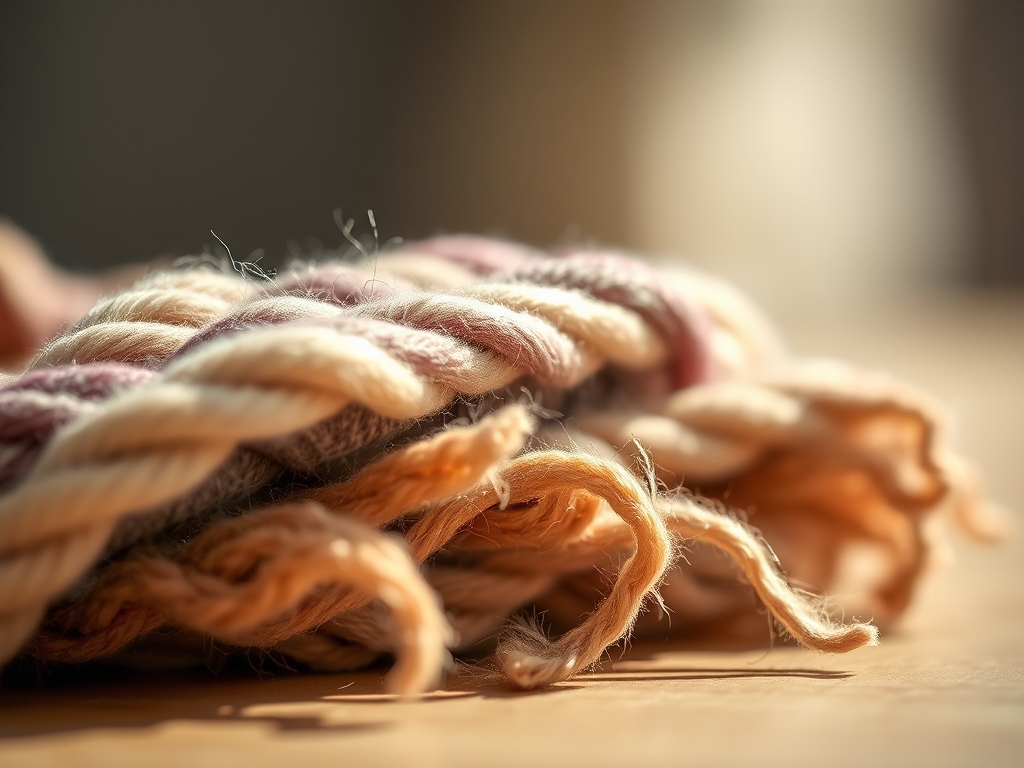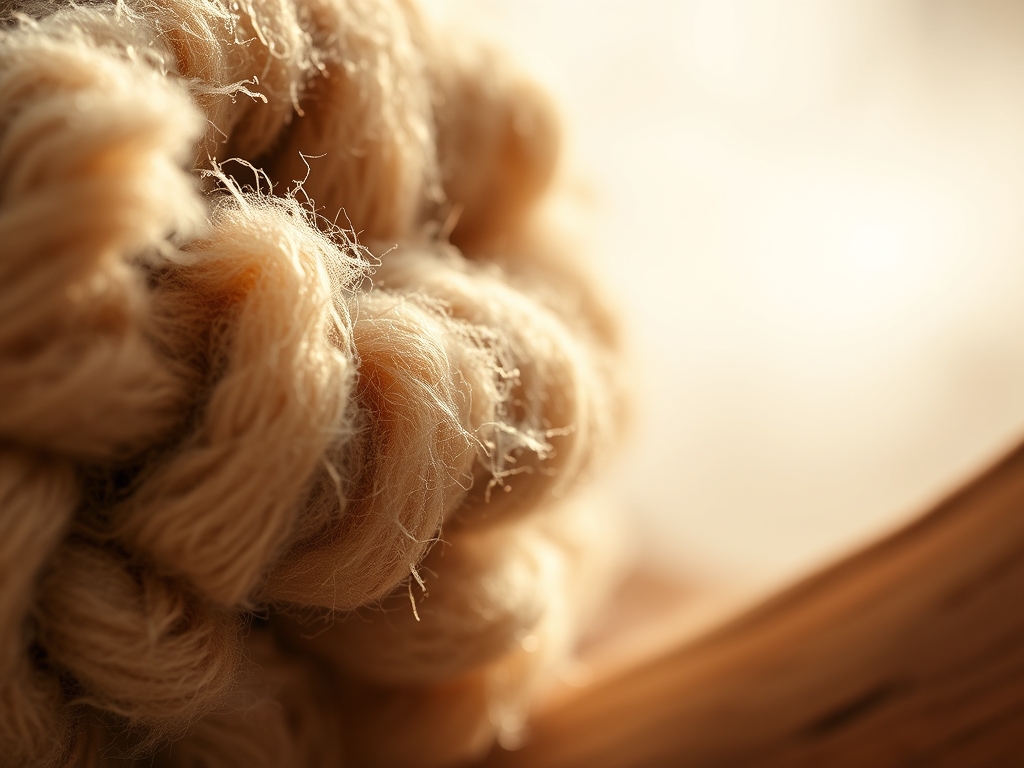
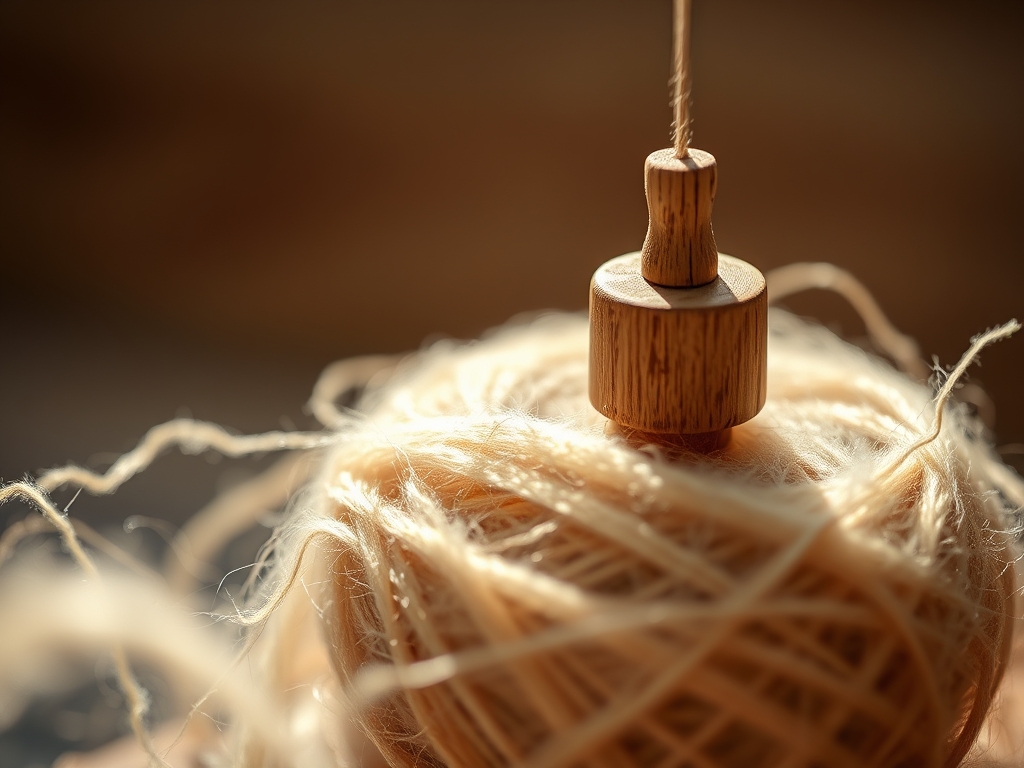
Imagine the smell of lanolin and the cool, heavy weight of a drop spindle resting in your palm. There is a specific kind of magic that happens when you realize that every sweater you have ever loved started as a chaotic cloud of protein fibers. If you are diving into First Time Spindle Spinning, you are not just making yarn; you are mastering the physics of twist and tension. Your fingers are about to become the most sensitive calipers you own as you learn to feel the difference between a staple length that holds and one that slips. We are looking for that sweet spot where the fiber has enough friction to grab its neighbor but enough slide to move past it. It is a tactile puzzle that requires you to understand the microscopic scales on a wool fiber. When those scales interlock under the pressure of a high-speed rotation, you create structural integrity from thin air. Let us get your hands busy with the best wools for the job.
THE STUDIO KIT
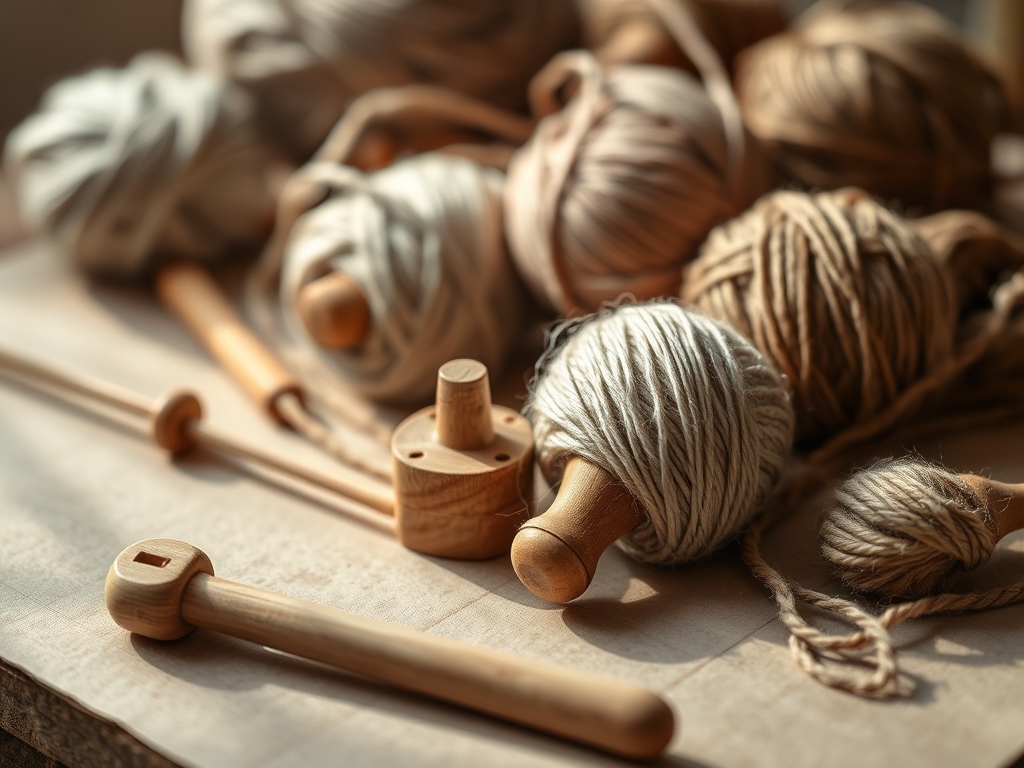
To begin, you need a top-whorl drop spindle with a weight of approximately 1.5 to 2 ounces. This weight provides the necessary centrifugal force to keep the spindle spinning without snapping your delicate beginner yarn. You will also need a leader thread, which is a length of sturdy, plied commercial yarn tied to the shaft to give your wool something to grip. For the fiber itself, we are focusing on combed top, where all the fibers have been aligned in the same direction to reduce air pockets and increase density.
Material Substitutions: If you cannot find a professional spindle immediately, a heavy wooden toy wheel and a dowel can serve as a functional substitute. However, ensure the center of gravity is perfectly aligned to prevent a "wobble" that will prematurely break your twist. Instead of sheep wool, you could use alpaca, though be warned: it lacks the "crimp" or natural springiness of wool, making it much more slippery and difficult for a novice to manage. Stick to high-friction wools for your first few ounces to build muscle memory.
THE TEMPO
The Maker's Rhythm is a three-part harmony of drafting, spinning, and winding. For your first 100 yards, expect to spend about four hours at the wheel or spindle. The Drafting Phase is the slowest, taking up sixty percent of your time as you learn to pinch and pull the fiber to the correct gauge. The Spinning Phase is where the kinetic energy builds; once the spindle is in motion, you have a window of about twenty seconds of "active twist" before the RPMs drop and the spindle reverses. Finally, the Winding Phase is your recovery, where you secure your progress onto the shaft. As you gain proficiency, these three movements will blur into a single, fluid motion that feels less like a chore and more like a meditative pulse.
THE CORE METHOD
1. The Park and Draft
Secure your leader thread and give the spindle a sharp flick. Instead of trying to spin in mid-air, tuck the spindle under your arm or between your knees once it has a high level of stored energy (twist). This allows you to use both hands to pull the fiber apart to your desired thickness without the spindle falling.
Mastery Tip: This technique utilizes potential energy. By "parking" the spindle, you prevent the twist from traveling up into your fiber supply, which would cause a "bird's nest" of tangled wool. You are essentially pre-measuring your diameter before applying the structural force.
2. Controlling the Twist
Slowly release the pinch of your fingers to let the twist travel into the drafted section. Watch as the loose fibers wrap around each other, increasing the tensile strength of the strand. If the yarn looks fuzzy, it needs more twist; if it starts to kink into tiny knots, it has too much.
Mastery Tip: This is a lesson in friction coefficients. Wool fibers have microscopic scales that act like Velcro. When you add twist, you are increasing the lateral pressure on these scales, forcing them to lock together. Too little pressure and the fibers slide apart; too much and the internal stress causes the yarn to curl.
3. Building the Cop
Once a section is spun, wind it onto the shaft of the spindle in a conical shape known as a cop. Keep the weight centered near the whorl to maintain the balance of the tool. A poorly wound cop will create an eccentric load, making the spindle wobble and lose its momentum.
Mastery Tip: Maintaining a low center of gravity is vital for rotational stability. By winding the yarn tightly and evenly near the whorl, you ensure that the spindle acts as a steady gyroscope, providing a consistent rate of twist for the next length of fiber.
THE TECHNICAL LEDGER
Maintenance & Longevity: Keep your spindle away from extreme heat, which can warp the wood and ruin its balance. Periodically check the "hook" for any burrs or snags using a fine-grit sandpaper or a jeweler's saw to smooth out notches. Smooth hardware ensures the fiber slides off the hook without fraying the delicate outer cuticle of the wool.
Material Variations:
- Corriedale: The gold standard for beginners. It has a medium staple length and a bold crimp that provides excellent "grip."
- Bluefaced Leicester (BFL): Known for its luster and long staple length, making it very easy to draft without the fiber pulling apart.
- Shetland: A finer, softer wool that is surprisingly sturdy due to its high crimp count.
- Falkland: A sustainable blend of various breeds that offers a very consistent, smooth drafting experience.
- Merino/Silk Blends: For the premium experience, though the silk adds "slip," so save this for after your first five ounces of pure wool.
The Correction:
- The Slub: A thick, unspun lump in the yarn. Fix: Untwist the section, use your fingers to draft it thinner, then re-apply the twist.
- The Snap: The yarn breaks and the spindle hits the floor. Fix: Overlap the broken ends by two inches, add extra twist to the join, and continue. The friction will "weld" them back together.
- Over-Twist: The yarn looks like a telephone cord. Fix: Draft more fiber into the twisted section to "soak up" the excess energy before winding it on.
Studio Organization: Store your unspun fiber in breathable cotton bags rather than plastic. Plastic can trap moisture, leading to "felting" where the fibers begin to bond prematurely. Store your finished spindles upright in a heavy glass jar or a dedicated spindle rack to prevent the shafts from warping under their own weight.
THE FINAL REVEAL
There is nothing quite like the sight of your first hand-spun skein hanging to dry. It will have character; it will have thick and thin spots that tell the story of your learning curve. This yarn possesses a structural memory that commercial yarn simply cannot replicate. Because you controlled the twist, the resulting fabric will have a unique "bloom" and elasticity. When you finally knit this into a scarf or a hat, you aren't just using wool; you are using a custom-engineered material that you built, one rotation at a time. It is tactile, it is technical, and it is entirely yours.
STUDIO QUESTIONS
Why is my spindle wobbling so much?
Wobbling usually indicates an unevenly wound cop. If the yarn is bunched on one side of the shaft, the center of gravity shifts. Rewind your yarn closer to the center to restore the spindle's gyroscopic balance and smooth rotation.
Can I spin wool straight from the sheep?
Yes, but "in the grease" wool contains lanolin and debris. For First Time Spindle Spinning, it is better to use washed and combed top. This ensures a consistent fiber density and prevents your spindle from becoming sticky and difficult to flick.
What does staple length mean for spinning?
Staple length is the average length of an individual fiber. Longer staples, like those in BFL wool, are easier for beginners because they give you more time to react before the fiber pulls apart, providing better structural control.
How do I stop the yarn from unravelling?
You must "set the twist" by soaking the finished skein in warm water and hanging it to dry. This relaxes the molecular bonds of the wool fibers, locking them into their new twisted shape so the yarn stays permanent.
Is a top whorl or bottom whorl better?
Top whorls generally spin faster, making them ideal for thinner yarns. Bottom whorls are often more stable and spin longer, which can be helpful for beginners focusing on muscle memory and consistent drafting without constant re-flicking of the tool.